
Chanel’s new shoe strategy under Matthieu Blazy is genius. Price most people out of buying bags and create a culture of ubiquitous virality around the most affordable offering: shoes.
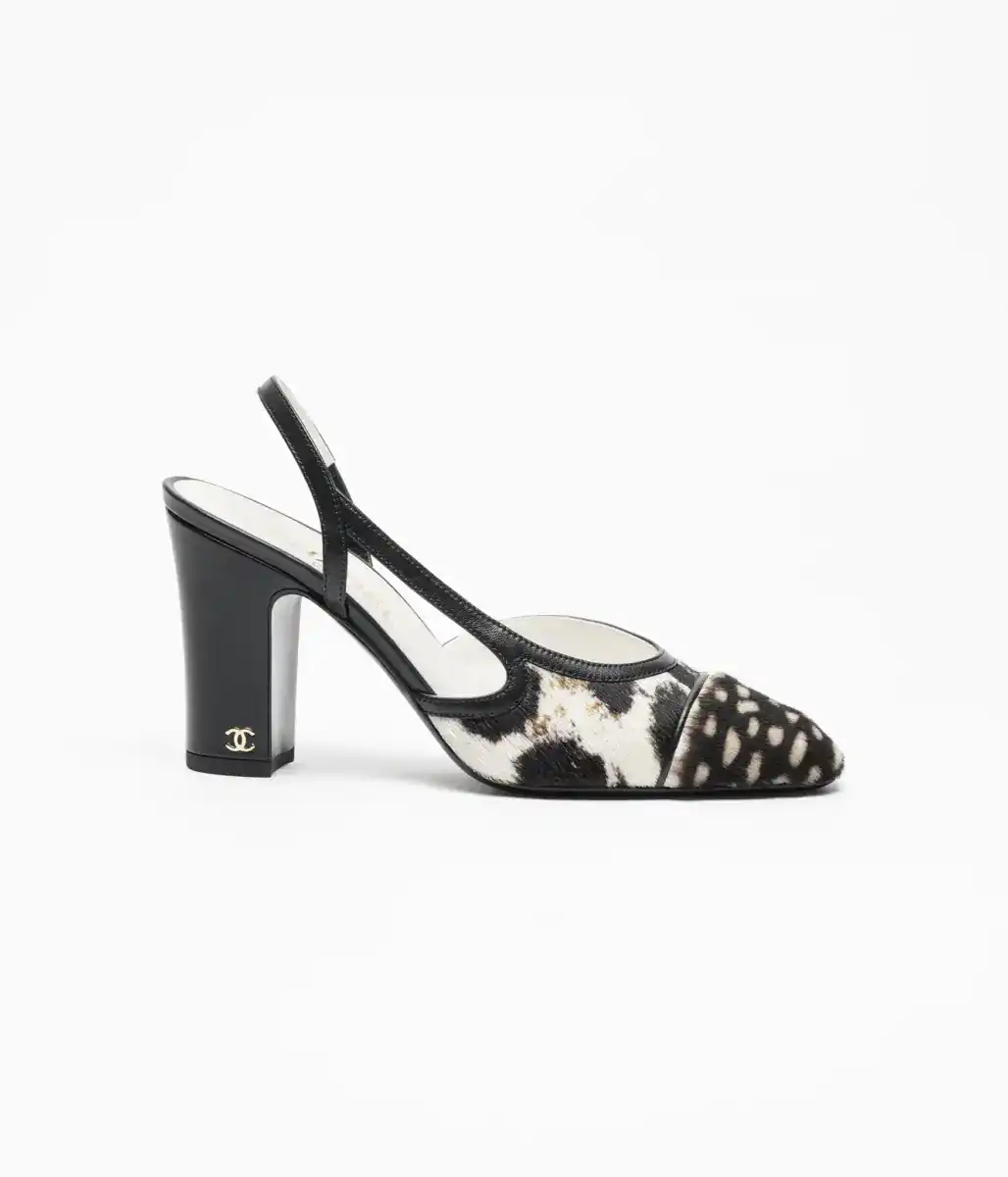
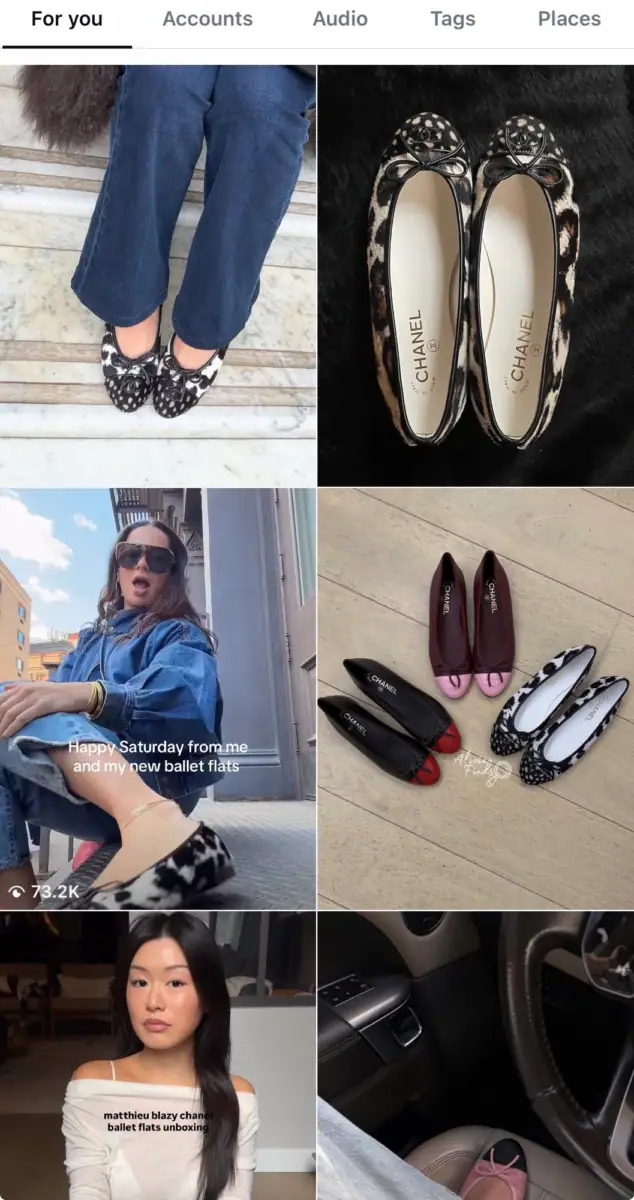
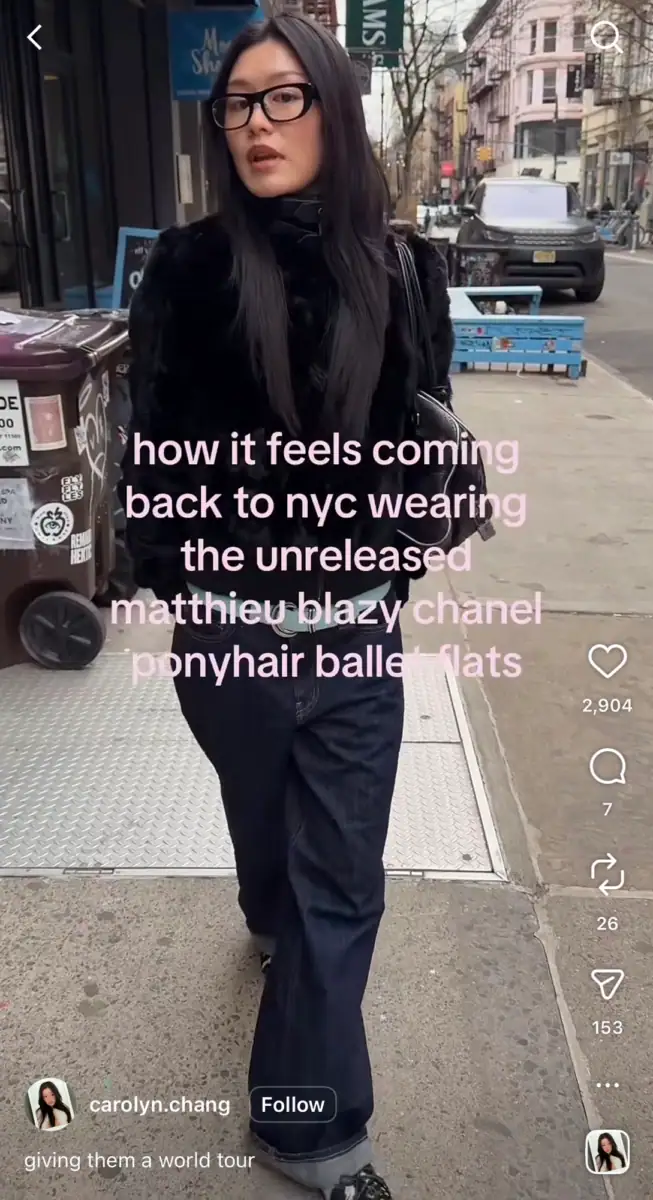
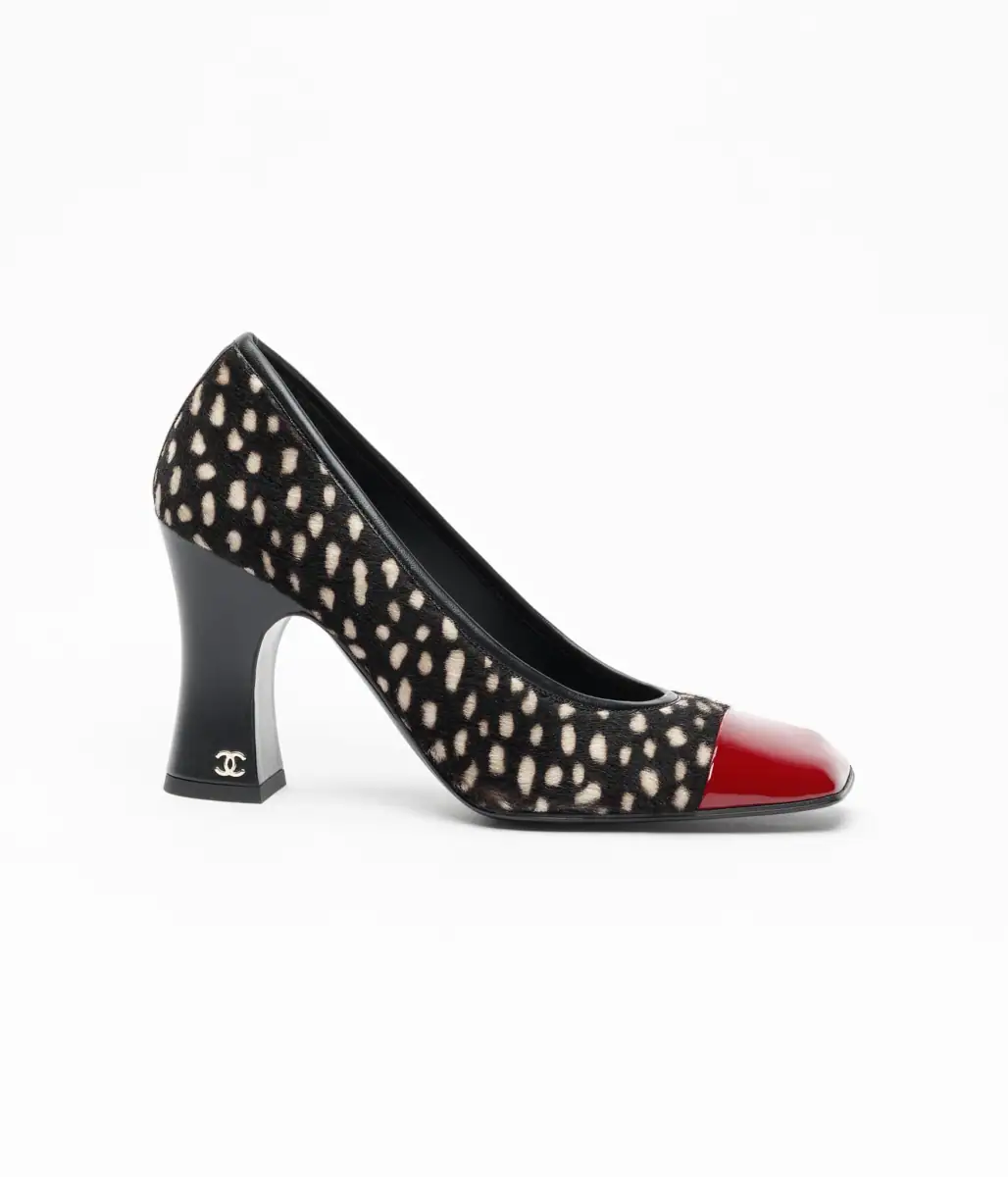
If you, like us, follow enough people interested in fashion lately, you’ve probably seen the new Chanelmania. Unboxings! Hauls! Shopping diaries! Countless videos of people heading to the new Chanel stores in Paris, New York, London and Milan, waiting hours and spending entire days worth of visiting multiple boutiques, all in search of the same shoes. Namely, the Chanel pony hair bambi textured ballet flats and slingbacks. There are easily over 100 videos of people buying, documenting or pining for said shoes. Under Blazy’s new era at Chanel it’s as if the brand said one thing and one thing only to the retail-facing side of business: “Let them have shoes!”
It makes sense. Buying a Chanel bag new in store, was once something that was still extremely expensive, but an attainable fashion dream or once-in-a-lifetime moment for many who saved up pre-pandemic. The iconic Classic Flap, arguably the most recognizable bag in Chanel’s history was priced at $5,800 in 2019. Chanel implemented steady price increases for years, but accelerated costs in an extreme way over the past few years. In 2026, Chanel Classic Flap bags (recently renamed the “11.12 bag”) sell for $11,300, pre sales tax.
Which brings us to shoes. Chanel’s new pony hair ballet flats are priced around $1,600 including tax. Not cheap by any means–but accessible enough that fashion editors, influencers and fashion fans can put them on a credit card and think about them later without going bankrupt; unlike a bag that cost over $10,000. Last year, Business of Fashion reported that Chanel’s annual revenues dropped for the first time since 2020, sliding 4.3 percent to $18.7 billion, with operating profits dropping 30% to $4.48 billion in 2024. Could shoes be the answer?
Few people can spend over $10,000 on a single bag; and even some of those who can may opt not to for fear of burning money just for the sake of buying a logo. Consumers are also more knowledgeable than ever about production costs and shopping secondhand. Remember when news broke that Dior (alongside other luxury brands) was using a factory in Italy “willing to assemble a €2,600 handbag, equivalent to around $2,816, for just €53 a piece”? With resale on the rise there are now thousands of amazing Chanel bags secondhand. If you have a budget of $3,000 (a mere fraction of the cost of a new Chanel bag in 2026), you can find almost any flap bag you want, excluding some of the rare and unusual Karl Lagerfeld era gems.
The new Chanel shoe strategy seems to take a page out of the Kering playbook, where sneakers and shoes created groundbreaking hype history as the most shopped, go-to purchases at Gucci, Balenciaga and Bottega Veneta. It only takes walking into one of those stores (or outlets!) to see the shoe section buzzing. And most people outside of fashion associated Balenciaga and Gucci with sneakers for years. Almost everyone who has worked in fashion the past five years has owned a Bottega Veneta shoe; or at least a version inspired by one of the Italian fashion house’s designs.
In Paris before Blazy’s Chanel fall 2026 collection debuted, editors, stylists and influences were invited into the store to preview and shop the spring 2026 collection before it launched to the public. Most, unsurprisingly, bought shoes. After all, they are the most affordable fashion offering right now at Chanel, aside from a few pairs of earrings. It started a chain reaction prompting a new obsession with Chanel shoes like never before seen. Everyone was wearing their new Matthieu Blazy Chanel shoes to shows as soon as they could, eager to show them off before anyone else could get them, resulting in free product placement and buzz.
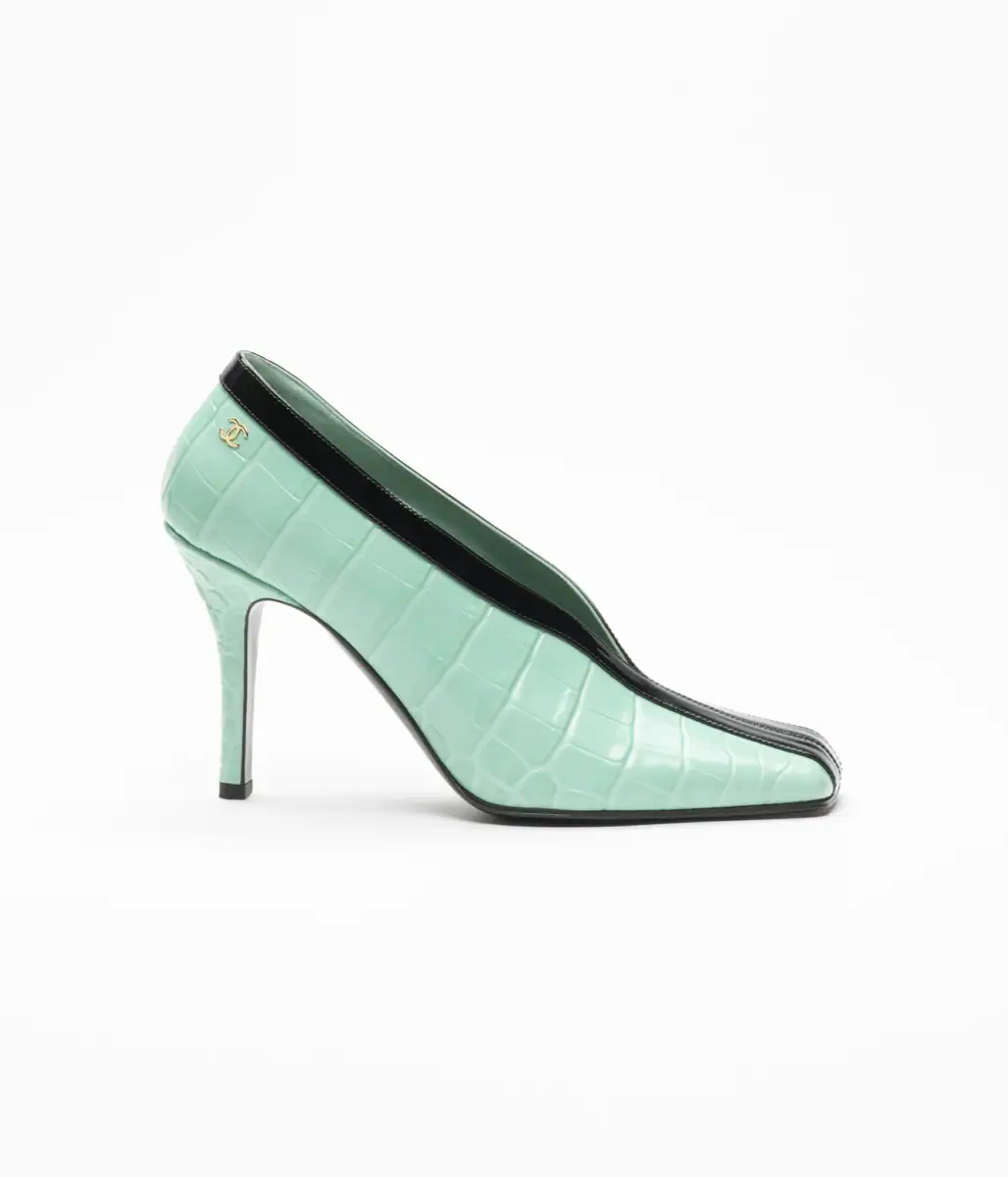
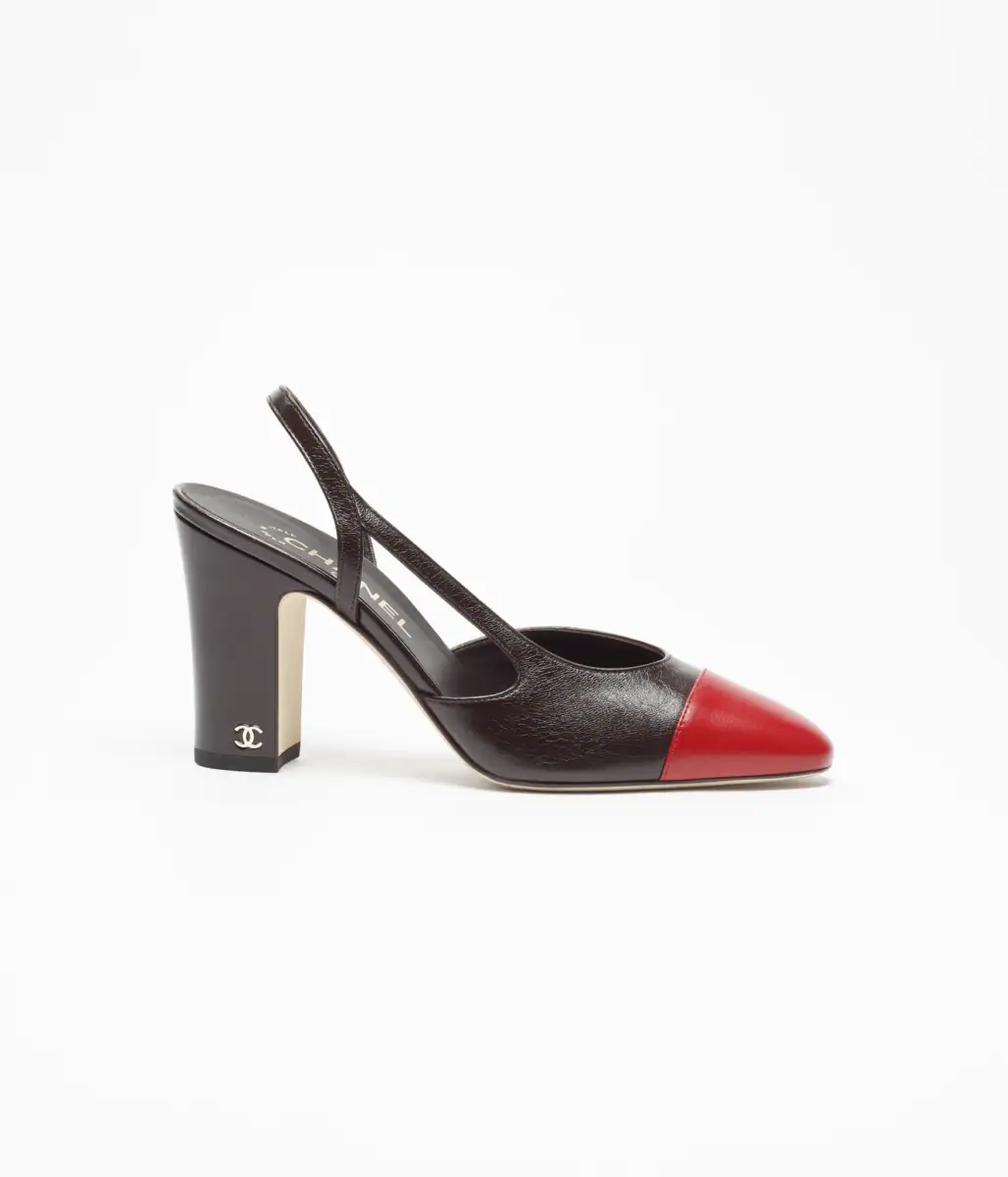
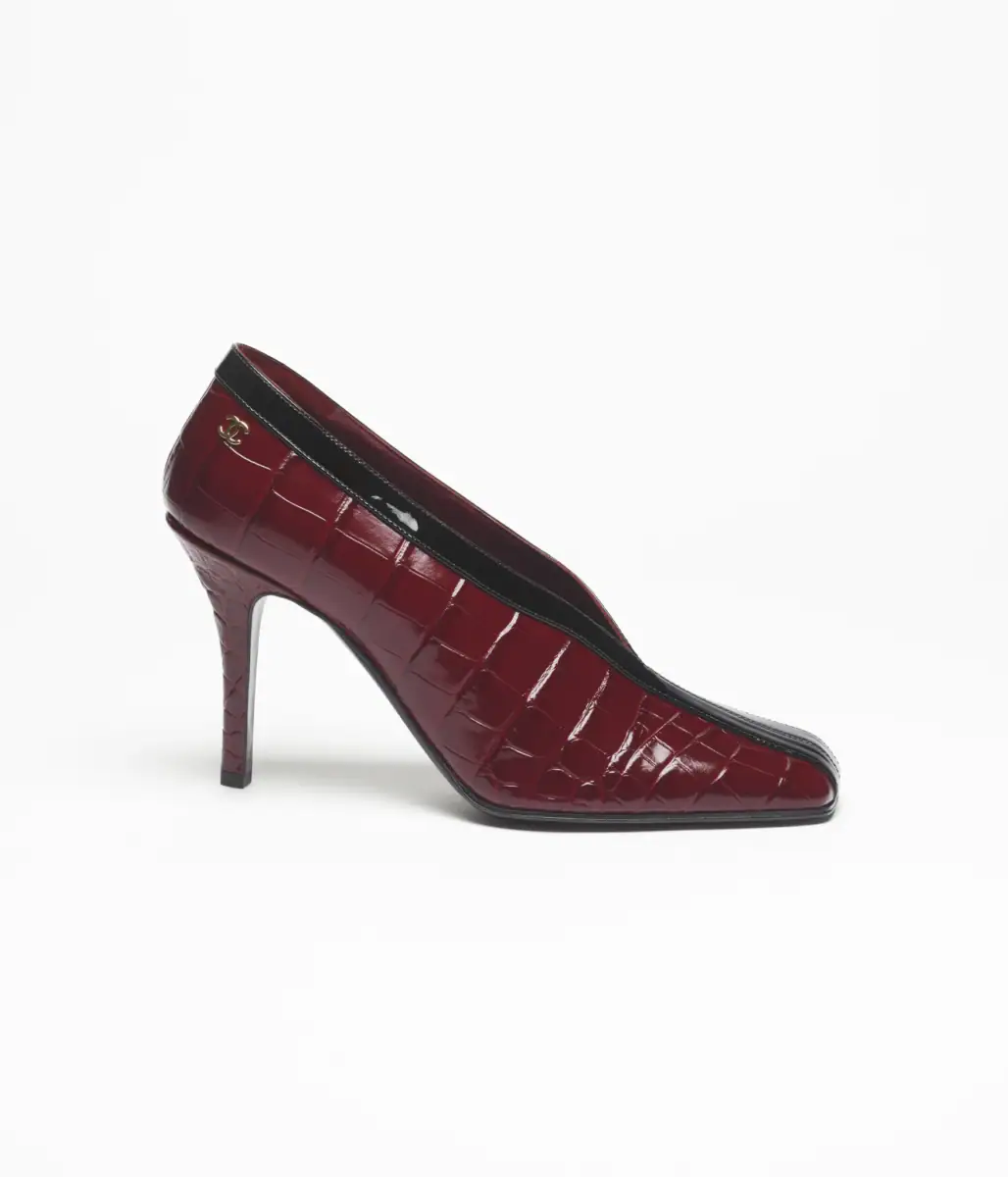
It’s easy to see why: Blazy is a freak for detail and also knows how to create a covetable accessory that stands out. Beyond the pony hair wonders, people bought a lot of the croc embossed pumps in mint green and burgundy, accented with a black center stripe. Then there were also the classic contrasting toe cap styles, reimagined in new colorways and lusher, softer textures. But the strategy should be studied. Bags are no longer the it-item. Chanel has created a whole new era of brand history. Let them have shoes!
Leave a Comment