
Remembering one of fashion’s most prolific eccentrics: Nancy Cunard style icon.
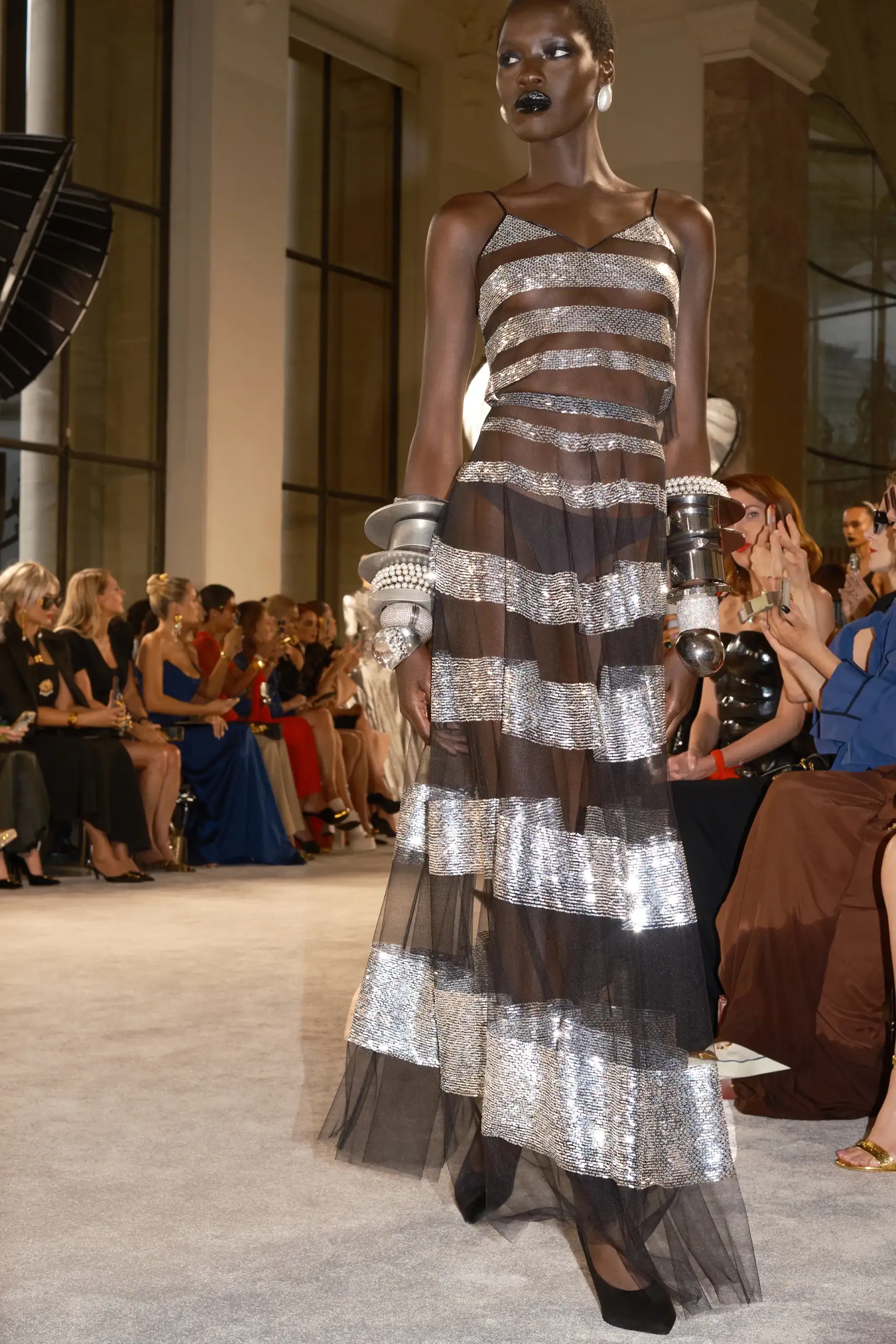
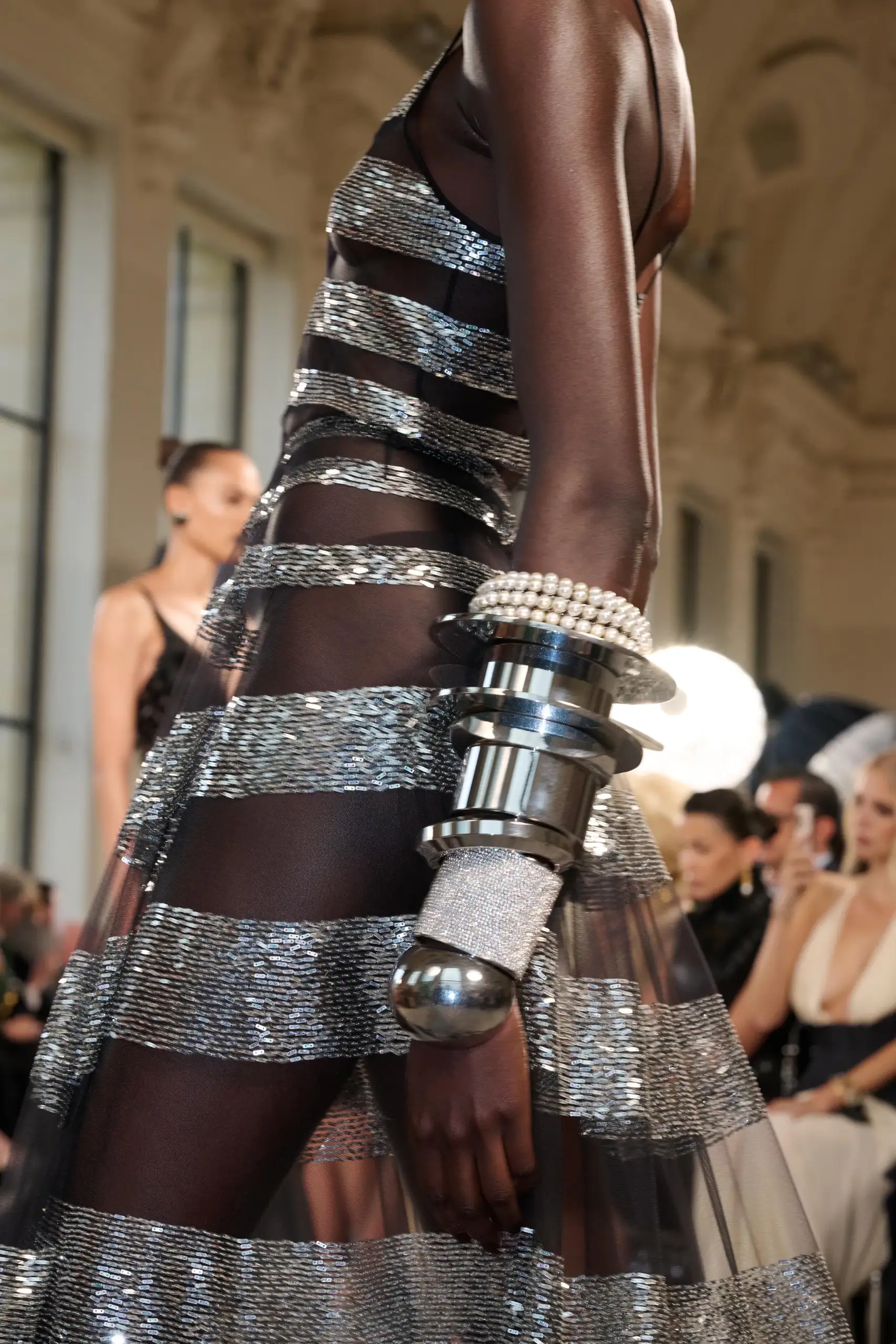
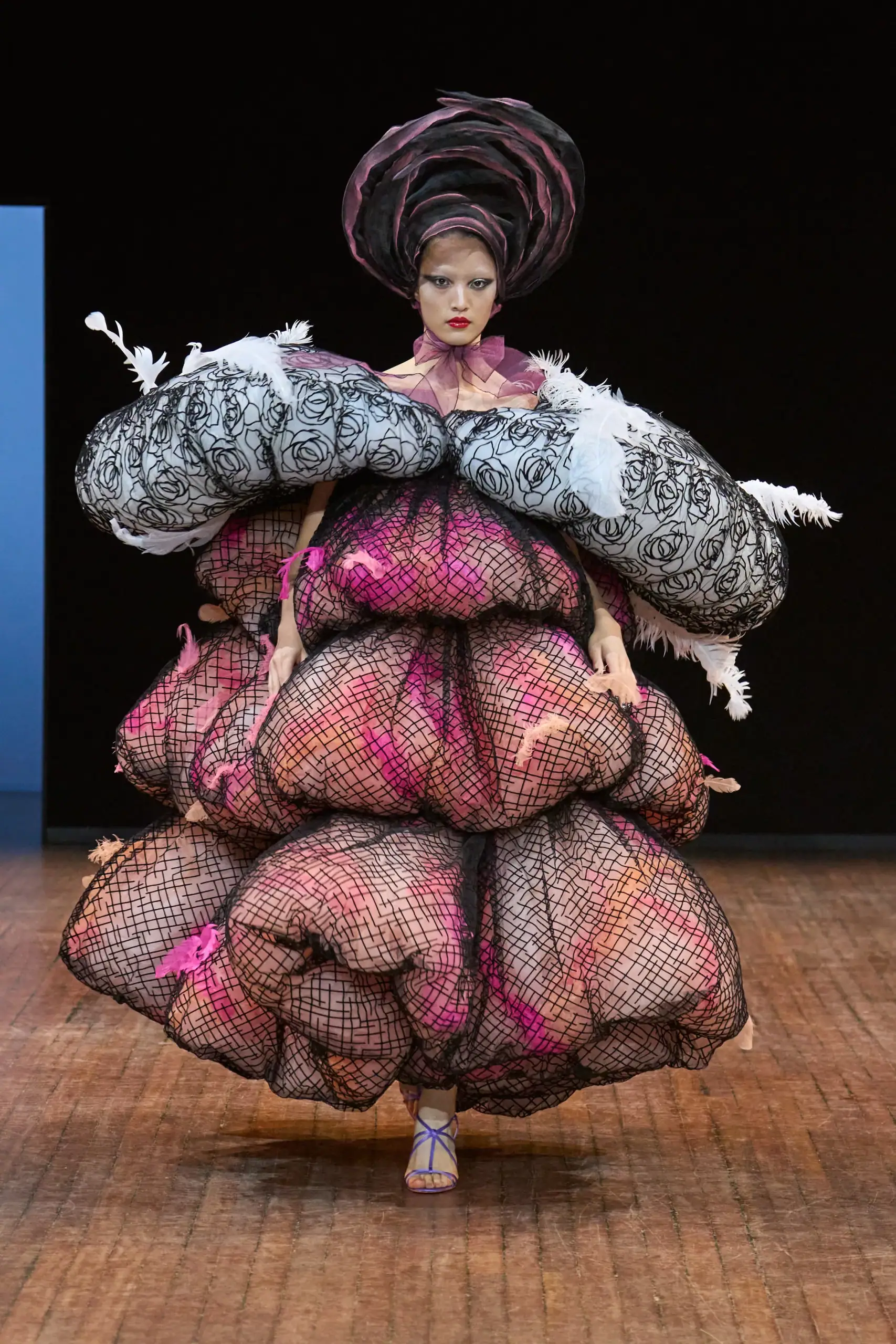
At the Schiaparelli fall 2025 haute couture show in Paris earlier this month when one model stepped out; arms brimming with bountiful bangles, there were whispers of one of fashion’s greatest lost rebel eccentrics: Nancy Cunard, style icon. Consider her the original literary it-girl with an alluring aesthetic that lasted beyond a lifetime.
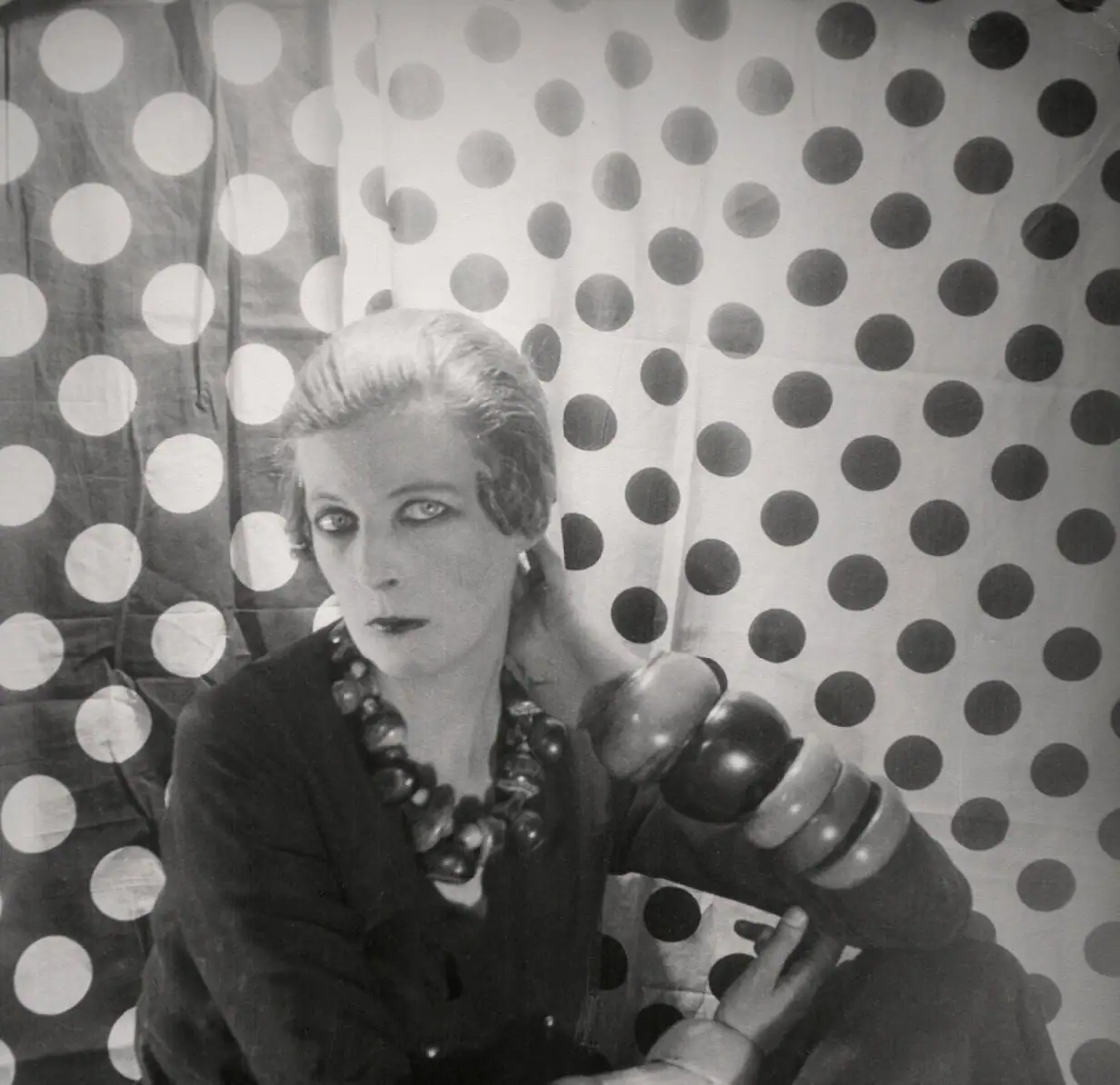
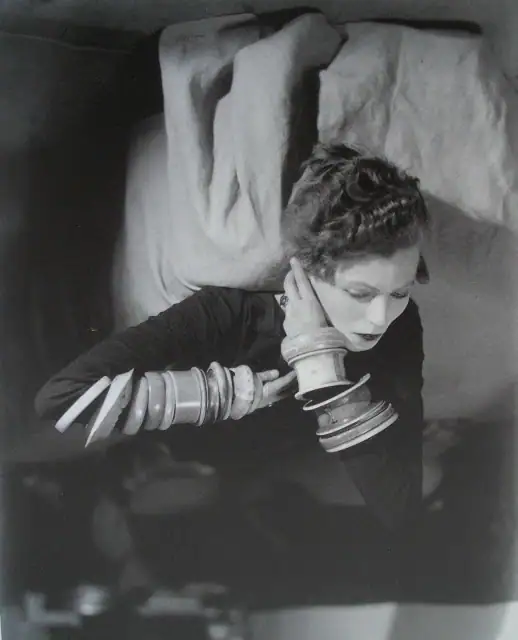
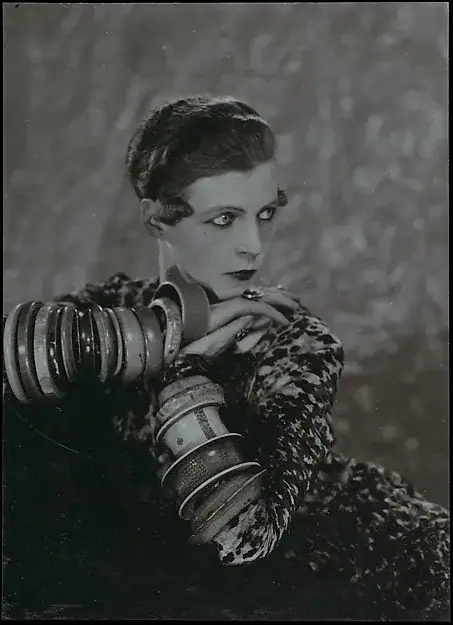
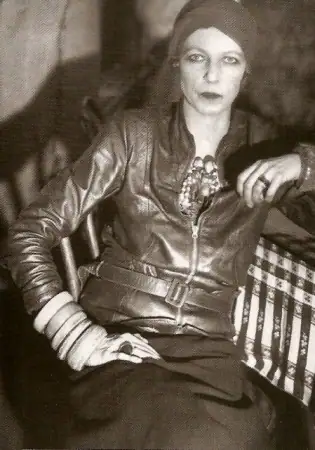
Born in 1896, the writer, publishing empress, political activist and heiress left her own mark on art, culture and fashion with a viewpoint of her own and a hefty abundance of accessories. Nancy Cunard’s sense of fashion has been immortalized in an ever famous photograph by Man Ray, arms stacked with bracelets of all different sizes up to the elbow. Her father was baronet Sir Bache Cunard, heir to Cunard Line shipping business. Her mother was Maud Alice Burke, a high society heiress who was a bit of an eccentric herself (she went by the name “Emerald”).
When Cunard arrived in Paris in the 1920s, she flourished. She became the life of the surrealist and dada art movements. She had a heavy influence on the artists, writers and other tastemakers of the time. She reportedly influenced Aldous Huxley’s novels, James Joyce phoned her, T. S. Eliot wrote about her in an early version of “The Waste Land”, Ezra Pound was her lover, she modeled for Constantin Brâncuși. In 1928, she founded Hours Press, a small but mighty publishing house that brought to life everything from the work of Pound to an important anthology of black history and the work of Langston Hughes and Zora Neale Thurston.
But let’s dig deeper into the fashion of Nancy Cunard, style icon. Her personal style was so deeply reflective and personal of a life well-lived, it’s easy to see her epic influence on so many contemporary icons of today, from Iris Apfel to Mary-Kate and Ashley Olsen. Nancy Cunard used over-the-top, oversized, larger-than-life jewelry as a visual medium and as her own form of sophisticated, coded language. She completely covered her arms in bangles and bracelets made of ivory, wood and stone. At the time, tabloids called it “barbaric.” Standing tall and thin with her bobbed hair, her jewelry accented her small frame and created a portrait of artistic liveliness. She took inspiration from tribal jewelry from Africa. Her style was reportedly so inspirational that Boucheron created an African inspired cuff incorporating malachite and natural materials during the 1920s. Of course, Cunard purchased after it was exhibited at the 1931 Exposition Coloniale Internationale in Paris.
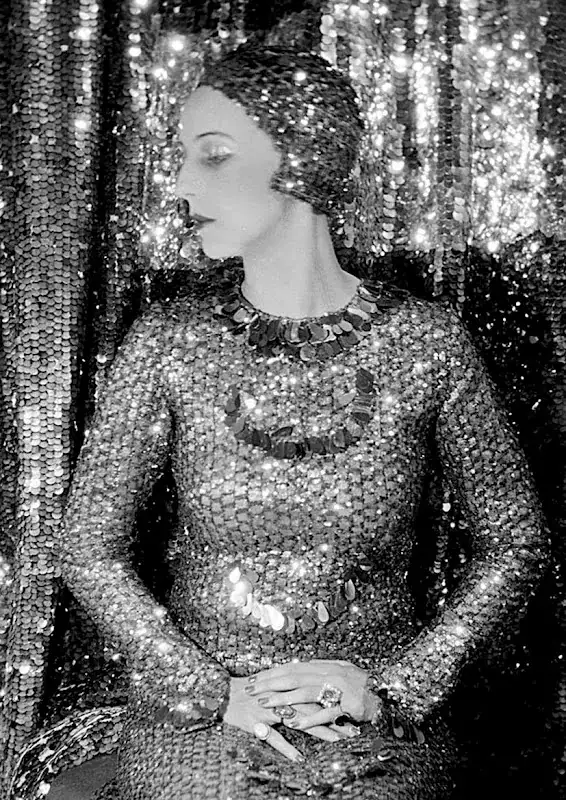
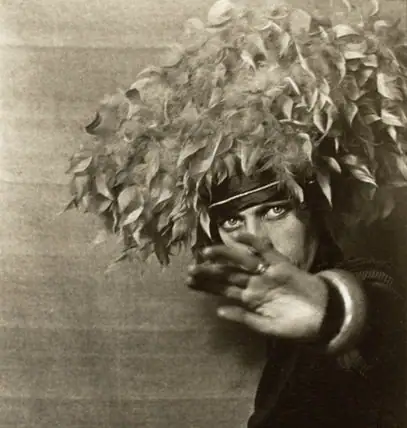
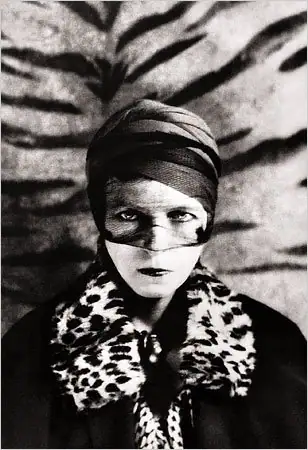
She wasn’t afraid to make a statement with bold textures and striking accessories. A skintight sequin gown and matching skull cap for instance. Or a leopard fur collar and tulle veil across her face. Whatever she wore, she did so with complete confidence and attitude, whether it was a form-fitting lambskin leather jacket and long skirt, or a black wool dress. She often wore turbans and interesting headpieces. She carried long cigarette holders, and strong drinks as accessories. With her skin as pale as snow and her eyes lined in thick, black liner. When it came to prints, she wore custom geometric fabrics commissioned directly from artist Sonia Delaunay.
Aside from Daniel Roseberry for Schiaparelli, countless contemporary designers have taken inspiration from Nancy Cunard. Former Gucci creative director Frida Giannini did so in 2011 and Lanvin used her as the basis of inspiration for its pre-fall collection in 2023. Bertrand Guyon’s Schiaparelli fall 2017 haute couture collection also referenced her. It’s no wonder Schiaparelli is so associated with Nancy Cunard–she was a friend and client of Elsa Schiaparelli.
Nancy Cunard is the kind of style icon we need today. On top of living a life of fashionable peculiarity, she was also a racial rights activist and a staunch anti-fascist. So let’s raise a bangle-covered arm to Cunard’s unique style, so fascinatingly influential nearly a century later.
Leave a Comment