
As the Galliano Zara collaboration is announced, we wonder how it will manifest.
Zara and John Galliano…two names most people thought would never be uttered in the same sentence, at least in a positive way. But this morning, the fast fashion giant announced a new two-year collaboration that will involve seasonal collections released by the legendary and controversial designer, available beginning in September 2026.
Designer collaborations aren’t new to Zara or other fast fashion retailers like H&M, but this one feels groundbreaking in that it spans two years and is under what some may consider one of the last few living “greats” of fashion. Everyone has been anticipating Galliano’s next move in fashion since he departed Maison Margiela in 2024 and changed fashion history at Dior. Some wondered if he’d go to another legacy fashion house while rumors of a potential Met exhibition spread like wildfire through the industry.
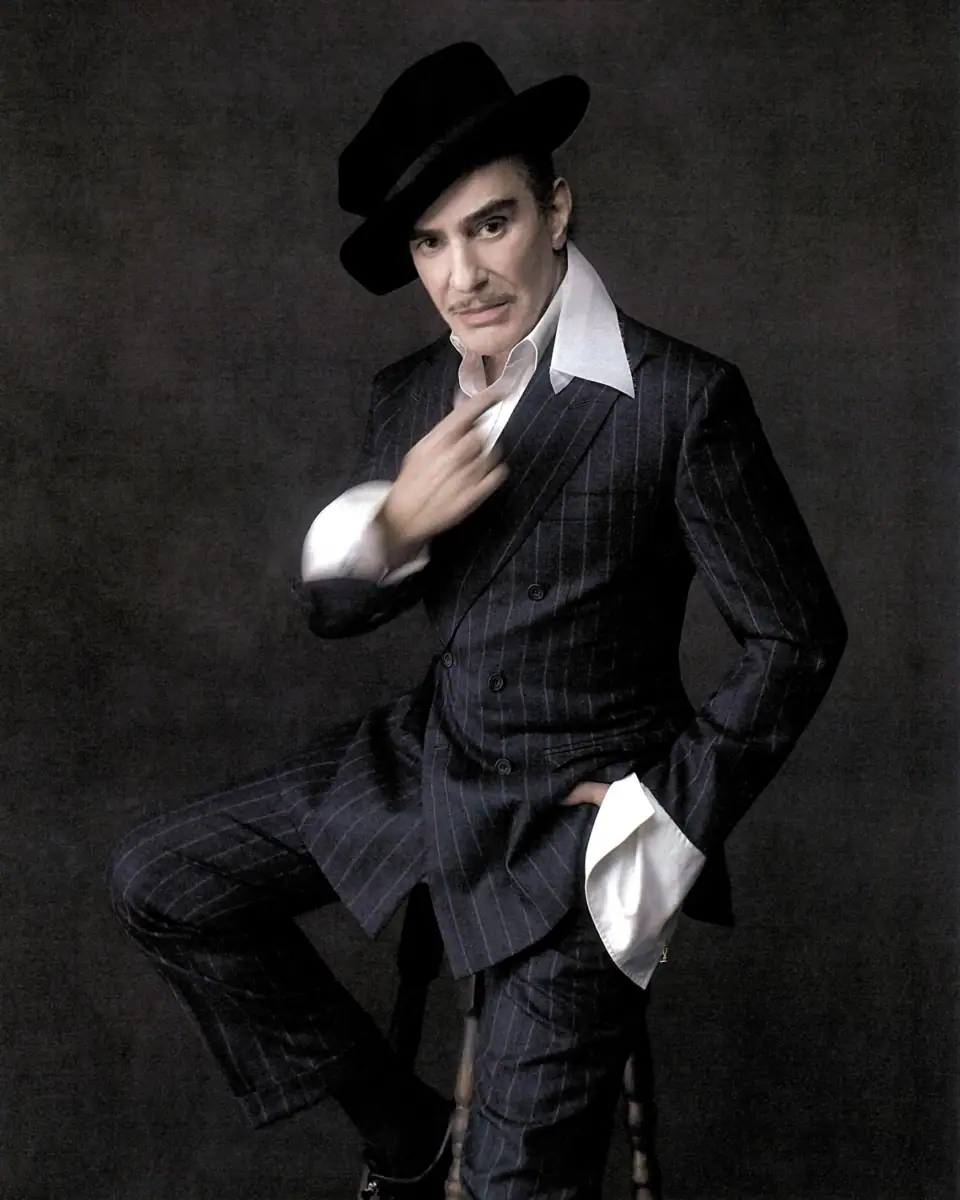
Zara says Galliano will “re-author the brand’s archives through a series of seasonal collections, and that “Mr. Galliano will be working directly with garments from Zara’s past seasons, deconstructing and reconfiguring them into new seasonal expressions and creations.” These pieces will be “guided by a couture process and authorship”.
As the former creative director of Dior, Galliano’s best work relied heavily on referencing, flipping and reinventing brand identity, creating works of visual, wearable art that spun out from the archives into glittering, dramatic takes on pop culture: Rasta t-shirts, newspaper gowns and heavy storytelling from world cultures spanning Ancient Egypt to China. Some may remember Galliano’s controversial Spring 2000 haute couture show for Dior, inspired by the unhoused population in Paris. Likewise at Margiela, Galliano drew from Martin Margiela’s intrinsic codes to give us fashion that soared past our wildest dreams: larger-than-life shapes, runway shows that truly transported and one of the best eyes for color fashion has ever seen. His work was epic, and beautifully expressive of the foundations of both of these historic houses.
But what does archival Zara look like? Can one even align the idea of Zara’s archives with singular pieces, aesthetics, or game-changing history? If anyone can give it a conceptual shot, it’s probably Galliano. But if you’re a creative, you probably know Zara best for taking ideas from smaller, independent brands. One may even argue that the bestselling Zara products of all time have been ripped from the runways of other major high-fashion brands, both big and small. Zara is not alone in this: mass retailers have been trickling down runway looks for decades into more affordable options. So then, what does Galliano do with that?
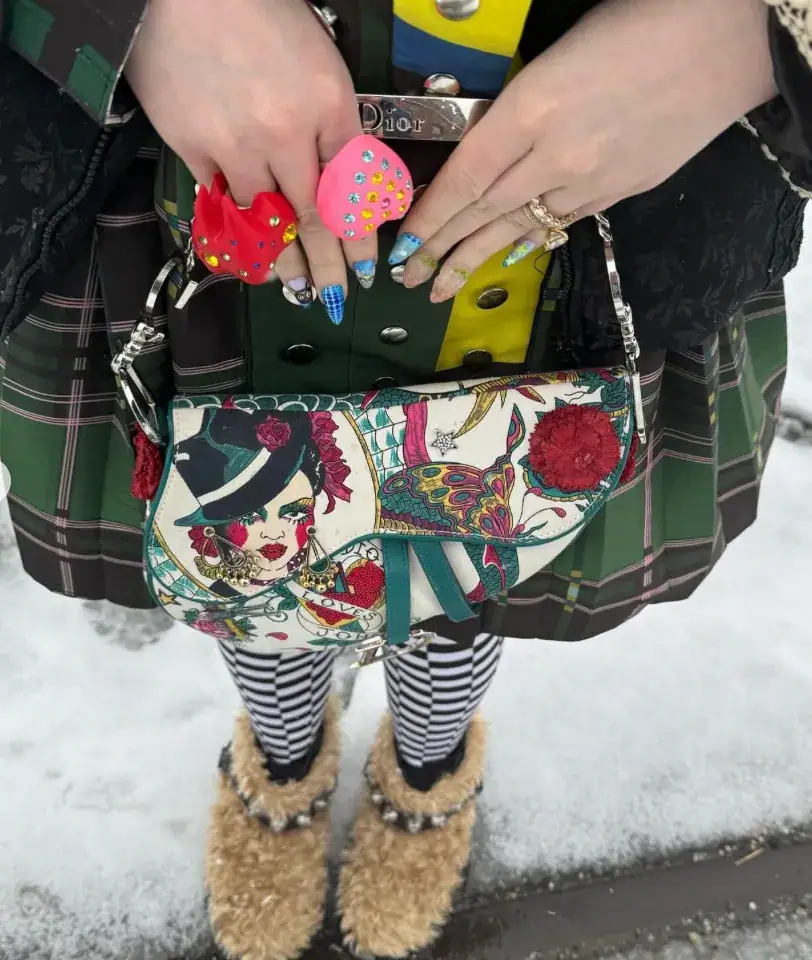
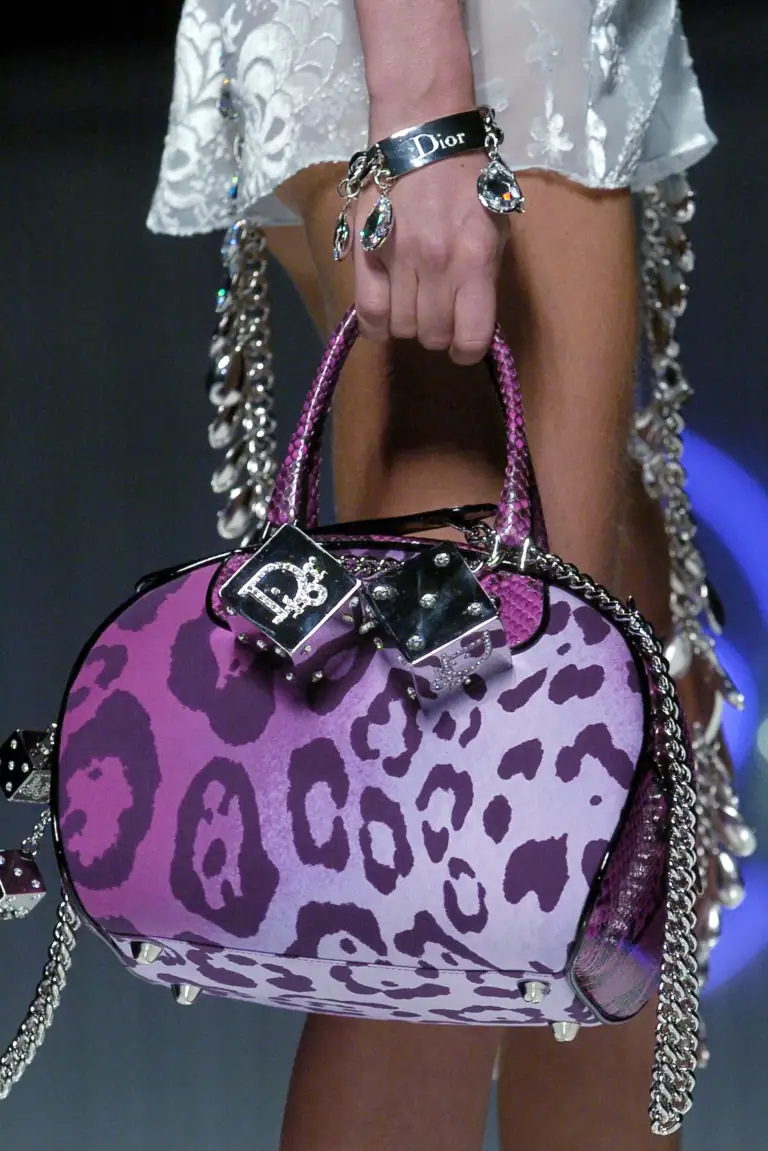
Galliano is clearly a genius for creating iconic accessories that last decades, like tattoo-covered Saddle bags or dice-embellished Gambler bags, both from Dior. At a midrange retailer like Zara, covetable, truly unique fashion that everyone can access could be totally groundbreaking. But if everyone has it, does it still feel as special or collectible? Part of what makes Galliano’s work for Dior and Margiela feel so unique (decades later, too) is that it’s also not so easy to find.
Fashion loves to use accessibility and inclusivity as a headline. Couture techniques applied to everyday, affordable clothing is something we’re sure every fashion die hard would love to see. Especially if Galliano doesn’t lean too commercial and keeps things weird. Will this be the greatest democratization of fashion of all time, or a total fashion flop? Only time will tell.

I have seen so much outrage about the Galliano x Zara collab already. As if H&M hadn’t been doing designer collabs for decades, starting with Karl Lagerfeld in the early 2000s. Here’s the thing: I have loved clothes and fashion for as long as I can remember. But at no point in my life have I been able to afford high fashion/designer clothes. Even secondhand or sample sales, anything with a three-digit, let alone a four digit price tag has always been firmly out of my reach. E.g. I adored Alessandro Michele’s Gucci, but most of it cost more than I earned in two months. So I could only buy the high street knock-offs, and I maintain that some of them were really nice! (Lately I’ve been buying most of it on Vinted, cheap and saved from a landfill – win win!). There are a lot of people like me. Why can we not have a bit of Galliano? I don’t care about the pieces being rare and exclusive, only for them to be pretty. It seems there is a lot of gatekeeping with designer fashion, if anyone can have it, do you not want it anymore? That said, Galliano for Zara will undoubtedly cost double or triple of what Zara normally charges, and for a lot of broke fashion lovers, even that will be too expensive. I hope it’s gonna be good. I’ll only buy it if I like the clothes, not because they have Galliano’s name attached.
This is a great point! So curious what the price points will be and most of all, we hope the designs have strong integrity and quality without being unattainably expensive. Best case scenario, everything will be priced the same as normal Zara pieces. We’re all for democracy in fashion when it’s done well.
We’re not outraged, except for the times Zara has stolen from small brands and creatives, for obvious reasons; extremely curious to see how it’ll work since Galliano is pulling from Zara’s archives, which historically have been based on other fashion houses’s work, at least in the past two decades. Here’s hoping he makes some memorable pieces that will really have an impact. It’s an opportunity to change fashion history in a unique way.