
Designer fashion has never been more expensive. But who’s buying it?
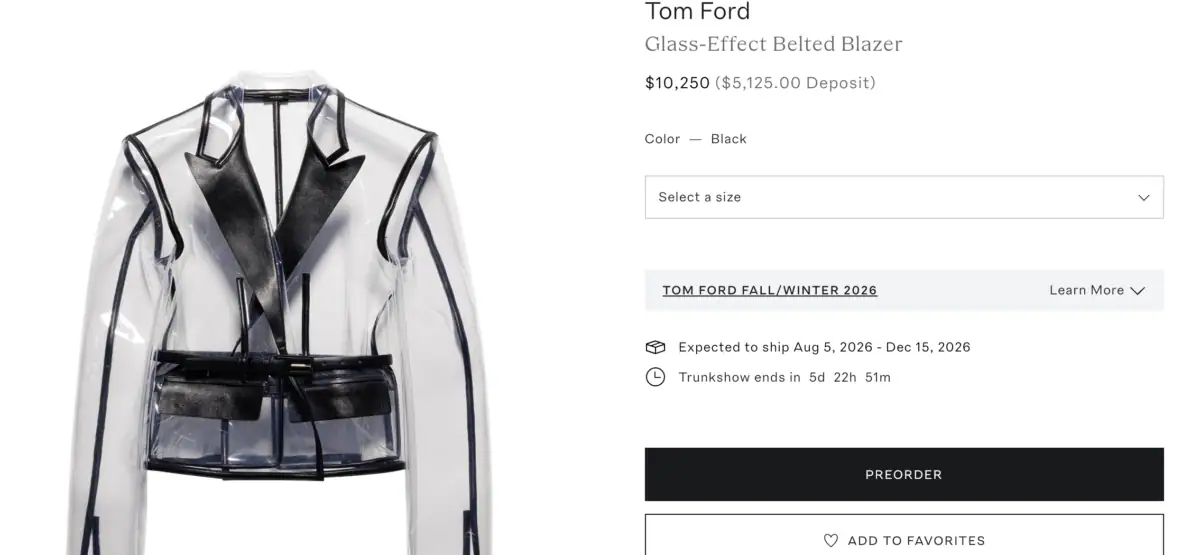
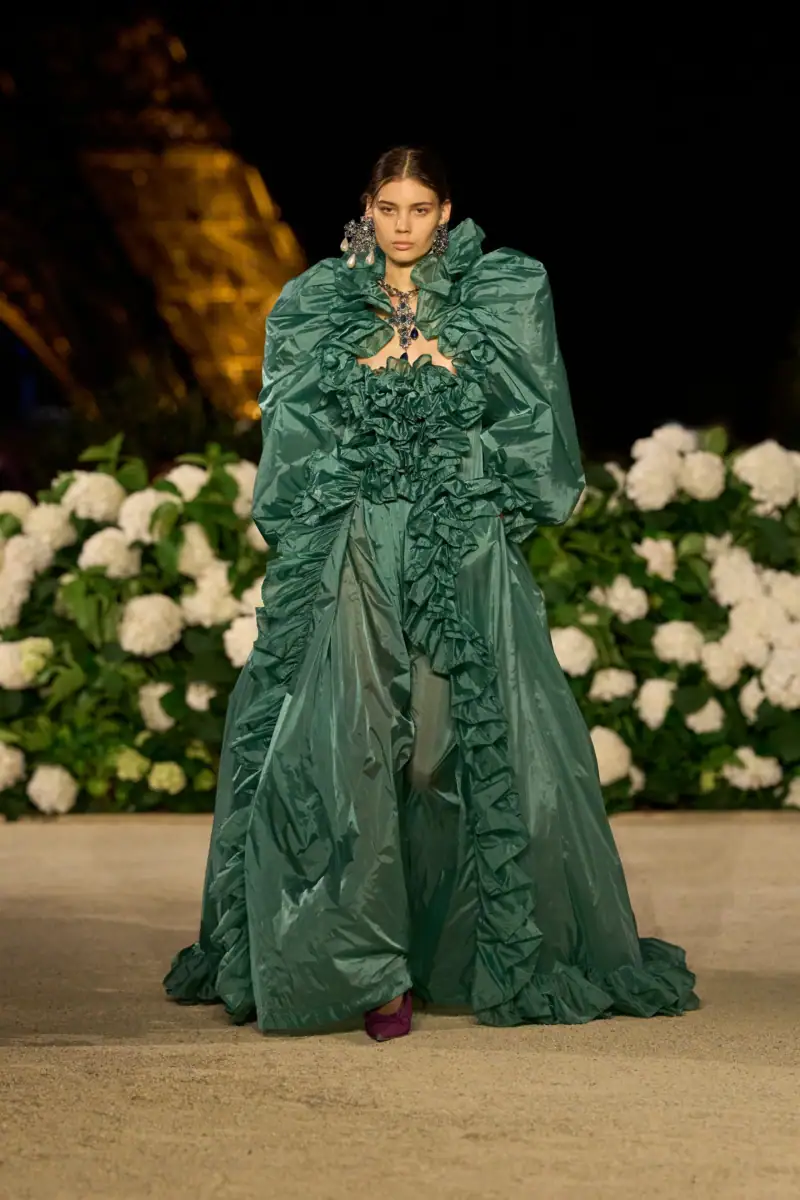
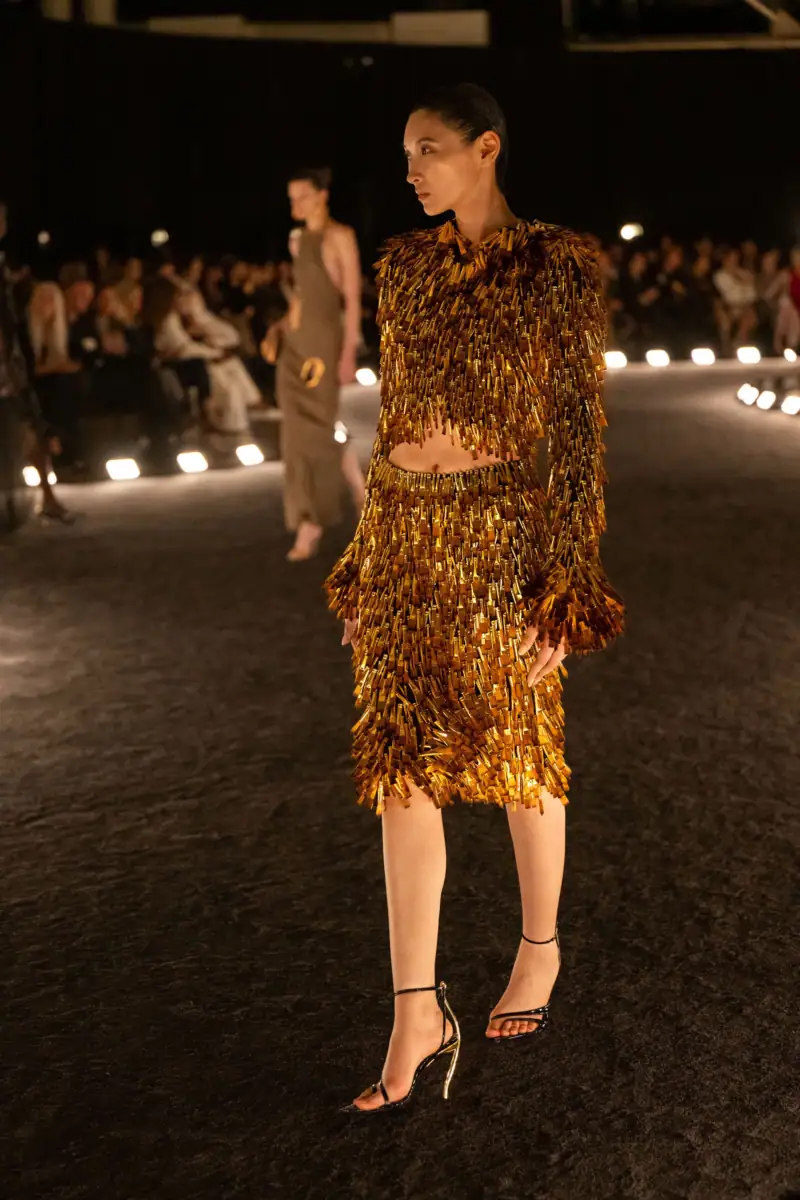
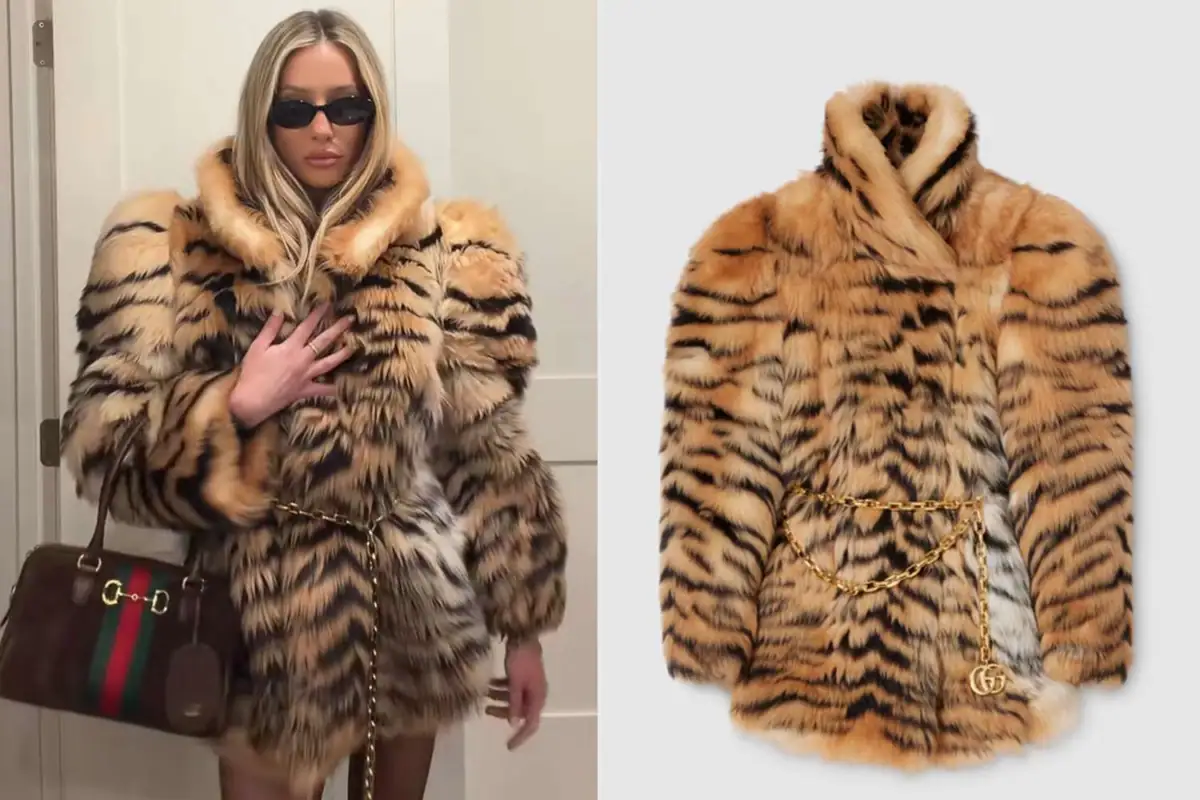
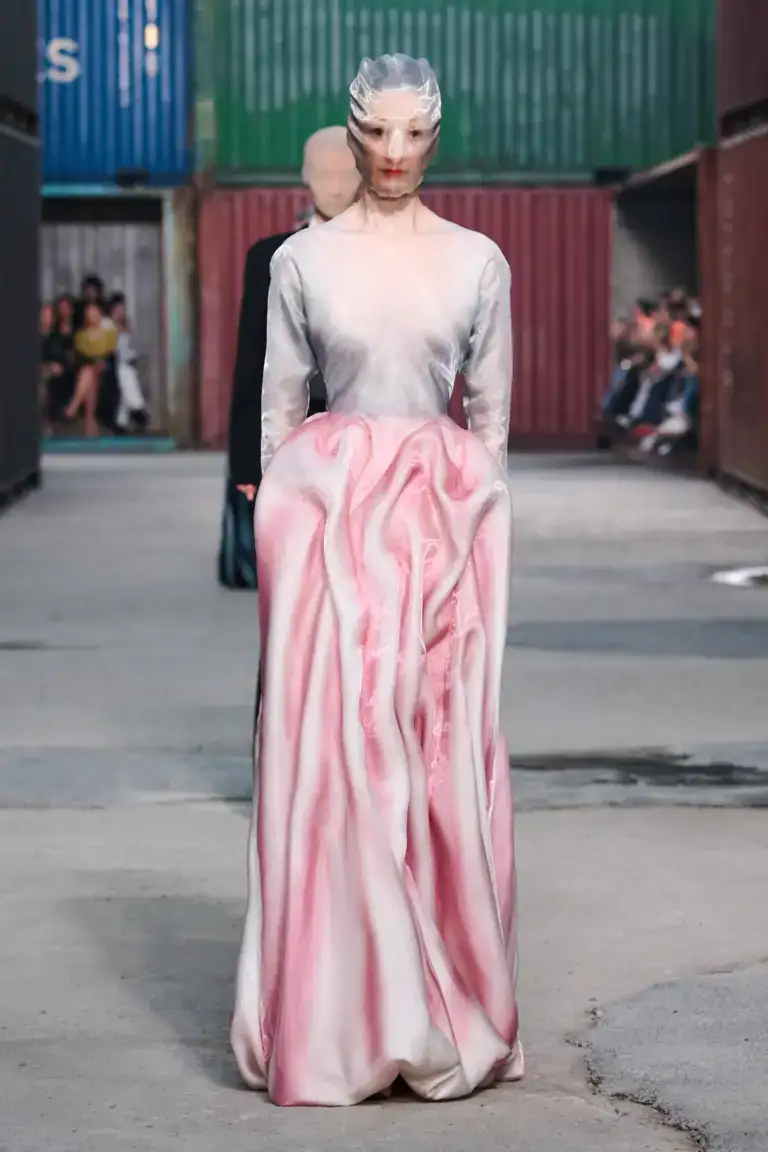
It only takes a swift scroll through Moda Operandi’s trunkshows to see that pricing for runway fashion is at an all-time high; and the quality of materials just might be at an all-time low. Take Tom Ford’s fall 2026 $10,250 “glass-effect” plastic jacket, trimmed in leather (or a longer version for over $13,000). Or Saint Laurent’s spring 2026 $26,000 nylon maxi dresses. Then there’s Bottega Veneta’s spring 2026 fiberglass tops, clocking in at a cool $26,000. If your budget allows, you could also get Schiaparell’s $37,000 skirt and top made out of paintbrushes. For your Aspen jaunts, why not Gucci’s spring 2026 $48,000 tiger effect shearling coat? Fashion’s expensive!
Keep in mind, these pieces are all ready-to-wear, priced at costs that were once relegated to the handmade, client-facing world of haute couture, where traditionally luxurious materials like silk, wool and lace, and skillful techniques including hand embroidery and excess embellishment ruled.
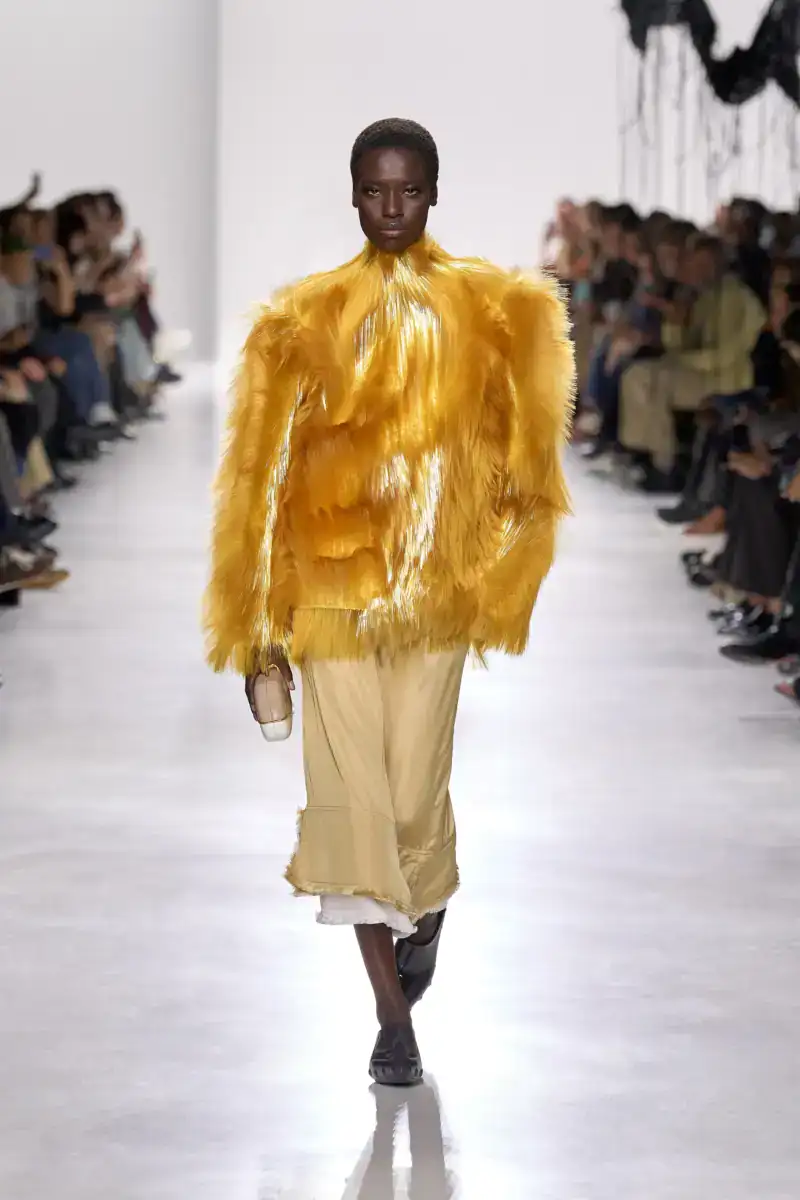
For the uninitiated, the world of runway has always been full of a few standout show pieces that demand extreme prices. But now it seems like every brand under the sun has taken on this strategy. Many times, these pieces end up at samples sales, outlets, or go back to the archives, unsold. Case in point: earlier this year, I was shopping at the Bottega Veneta outlet at Woodberry Common. Out of the corner of my eye, I saw the most beautiful, luscious, vibrant orange and black pony hair runway coat, designed under Mattieu Blazy. The original price tag put it at $15,600. But at the outlet, it was discounted to 85% off.
Similarly, in 2025, Maison Margiela appeared to be literally and metaphorically cleaning house of many of the iconic runway pieces–a lot of them originally priced near or just under $10,000–from John Galliano’s final collections at the house. These pieces were discounted to 95% off; including some of the special edition Monster Tabis and Louboutin Tabi collaborations that elicited a slew of headlines in major magazines and an equal amount of social media fanfare.
If you’re an eagle-eyed shopping devotee, maybe you’ve even heard rumors of the private, invite-only samples sales brands host in New York. Prices are often even lower than 95% off retail. Just last week, Saint Laurent announced that it would be hosting its first ever public sample sale, following a private employee only sale. After one day of the employee only sale, it was announced the public sale would be cancelled without a reason. Rumors swirled that it was because employees bought all the inventory—with shoes priced as low as $50 a pop. For reference, that’s actually cheaper than Zara.
When I interviewed a swath of couture collectors for Vogue, one of the topics touched on was the increase in ready-to-wear pricing. If brands want to charge couture prices, why not just shop couture? “I also think that the demand has soared because in a lot of cases, ready-to-wear has increased so much, especially since Covid, that you now see ready-to-wear dresses consistently at $15,000, $20,000, $25,000, $30,000,” Nolan Meader, a stylist who also works with couture clients as an adviser told me. “For not a drastic amount more with couture, you can have something that’s made for you and you’re the only person in your region or your continent or your country to have it.”
Likewise, “since 2019, there’s been a high price increase across luxury without a corresponding increase in innovation, service, quality, or appeal that a luxury brand should provide,” Marie Driscoll, an equity analyst focused on luxury retail, told Fortune last year. Sustainability is dead: the plastic coats smothered it to death.
Fashion retail, is unfortunately falling apart at the seams as we speak. And maybe it’s a direct correlation to the fantasy pricing that fashion loves right now. It’s also creating a huge divide between the make believe projection of what’s on the runway versus the real life consumption of everyday fashion. Think about someone like Marc Jacobs, who has become fashion’s favorite referential runway extremist, churning out off-schedule collections in various oversized shapes, until last season, where he turned more literally to vintage fashion. On the streets, no one seems to be wearing any runway pieces from Marc Jacobs. But on the subway, deep in Brooklyn, his branded logo tote bag is everyone’s favorite.
At the same time, the secondhand market changed everything. Everyone is shopping vintage and secondhand, and most people realize that you can find some of the rarest archival fashion gems today for less than the cost of the current season pieces from brands in store. As a vintage shopper, even the most expensive vintage designs I’ve purchased by Dior by Galliano, Jean Paul Gaultier, Chanel, Balenciaga, Vivienne Westwood and beyond pale in comparison to the prices of current retail. And the best part? Many of the vintage pieces I’ve bought go up in price after I buy them—which is sadly, the opposite of most current season runway fashion.
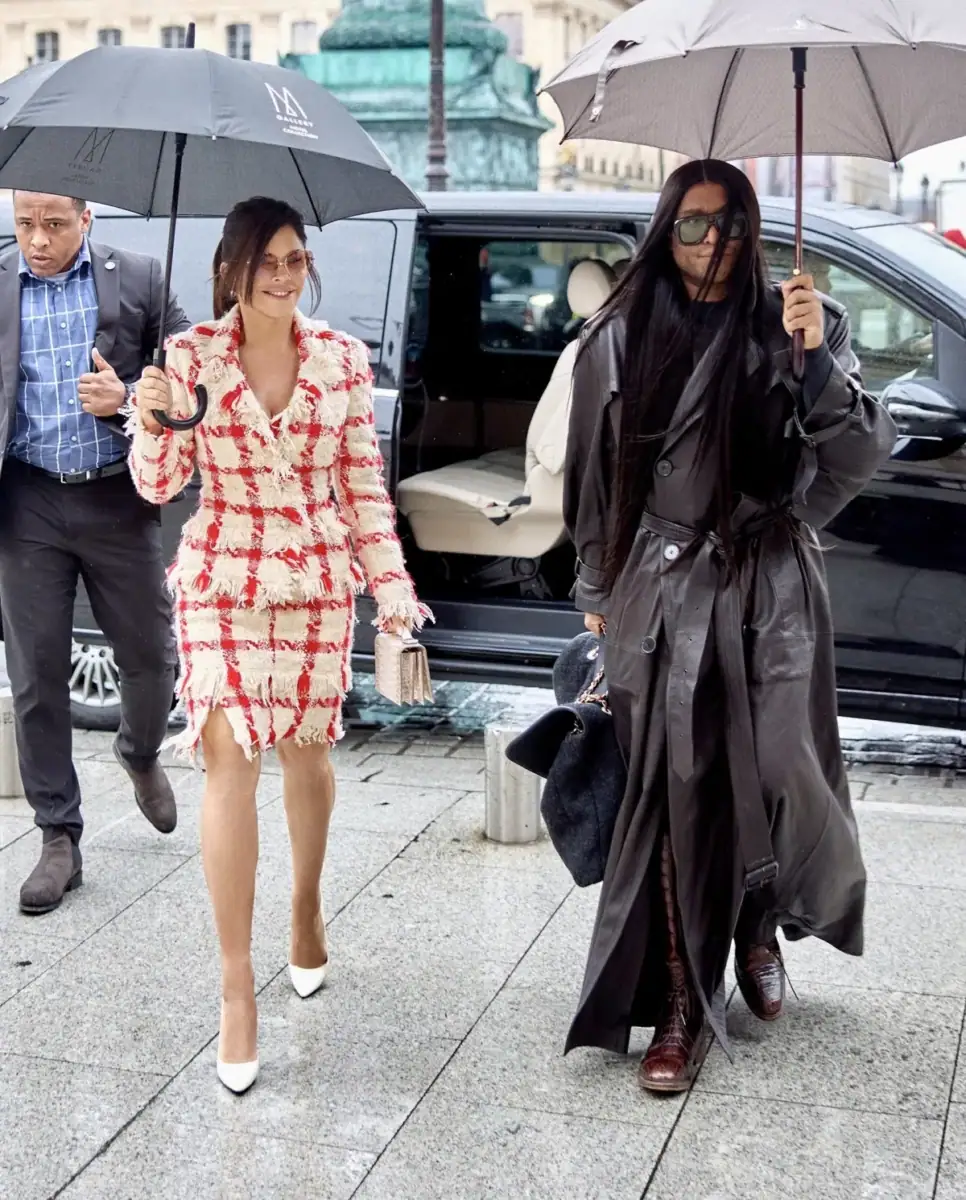
Somehow, somewhere along the way, fashion lost its major fomo of wearing current season. Except for rare blips; as we recently saw with the Chanel shoe mania. The biggest status symbol for the past few years has been rare, archival fashion. This has been true since at least 2022, when I wrote that fashion reached peak archive. There are, however, different types of shoppers with different priorities. None of this really matters to the 1%, who don’t feel the pull of the collapsing economy in these times, but rather get richer. Lauren Sanchez might be one of the best examples–she may have the budget to afford a $50,000 coat, yet even she wore 2004 Versace at Paris Fashion Week.
To be clear: some of these fantastic plastic, unconventional material runway pieces are akin to art and could be considered museum-worthy. They also present an opportunity to live on as show pieces, worn exclusively in magazines and by celebrities. 20, 30 or 40 years from now (if the materials don’t degrade), they might dominate fashion museums.
But if Galliano can’t sell Margiela and Saks can’t survive, who can? If you wondered why Galliano is going to Zara, fashion’s expensive problem is also one of the reasons why.
Still, at its heart, some of the most cherished designer fashion has never really been about an investment aspect. People who can, will buy what they love, regardless of the material, cost and rarity. Style, after all, tends to be an emotional animal. Is there an in between where standout fashion can be accessible without compromising aesthetic creativity? I don’t think fast fashion is the answer.
In 2026, in order for the industry to thrive, does fashion pricing need a reality check?
Most major fashion houses seem to be experimenting how far they can push prices before they reach the price ceiling, where people stop buying because they deem a product too expensive. While for most people, a $2000 coat is just as unaffordable as a $20 000 one, those who have the money are increasingly reaching the point where they refuse to spend it. Luxury fashion is becoming greedy, without taking their customers’ expectations into account, and might see the negative impact quite soon.