
A look back at the Ahcahcum Muchacha bags that quietly defined a generation.
The year was 2014, New York was a beautifully chaotic place, and I was thrilled to discover the concept of the “Mook” inside the Japanese bookshop Kinokuniya. For the uninitiated, a Mook is a combination magazine book, encapsulated in thick plastic and sold with a gift item like a small fabric bag, wallet, stationery, etc. The Mook is also described as a “hybrid publication that combines the visual layout and style of a magazine with the lasting shelf-life, perfect-binding, and ISBN code of a book,” according to Hyper Japan. Ahcahcum Muchacha’s doll bags came inside the Mooks, and they were fabulous.
We are a reader-supported publication. We don’t run ads so you get the best content possible. Sign up for $5/month to show support and get access to exclusive stories.
Lightweight, surreal and gloriously maximalist, the bags came printed with close-ups of cat and doll faces (they often had both; one on each side). I had two of them: one triangular cat shoulder bag and one doll tote for daily schlepping that always elicited the best comments from other New Yorkers. It was very much an ‘if you know, you know’ kind of bag. You’d barely see anyone who even knew what it was, unless they were equally unequivocally obsessed with FRUiTS or chronically on Tumblr.
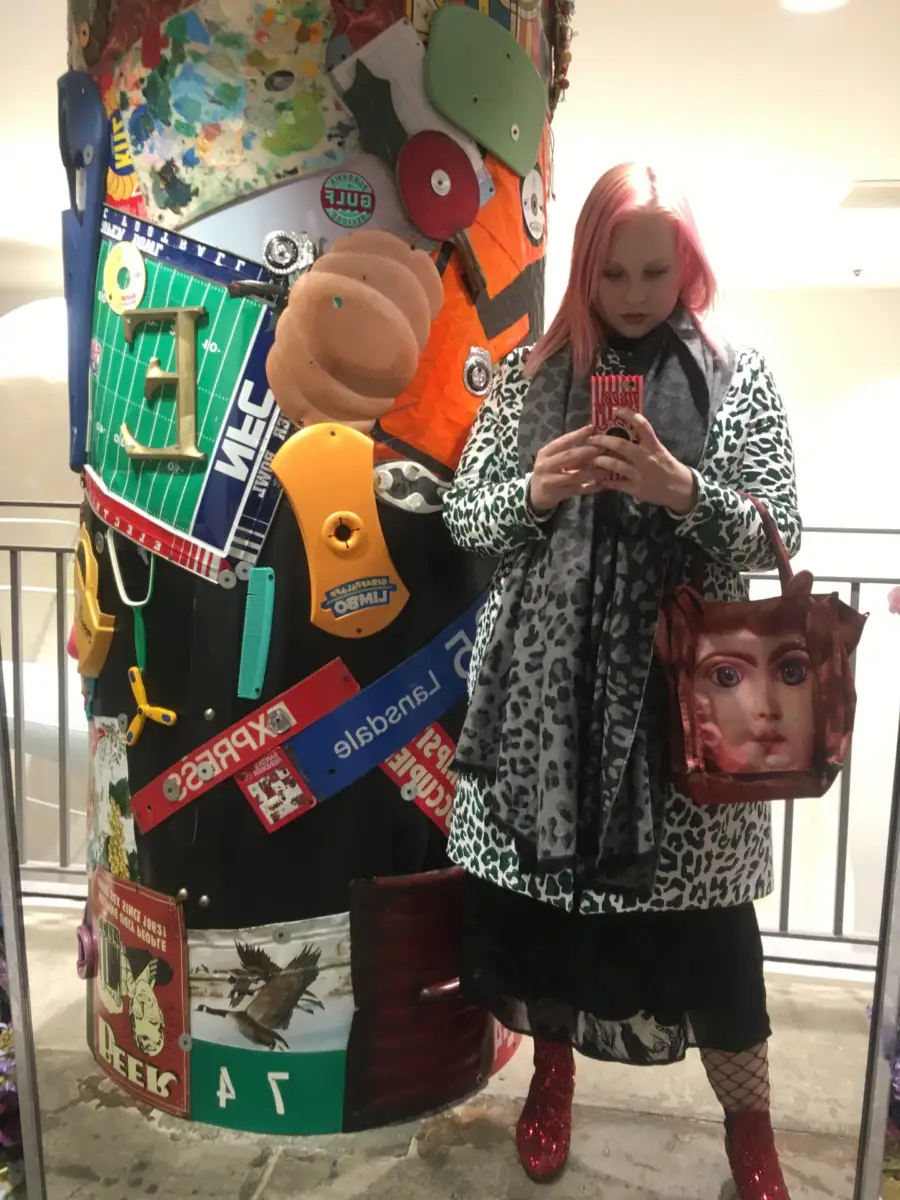
The iconic Ahcahcum Muchacha brand was founded by Masako Shinya, and she often distributed their fantastically strange, small bags via Mooks; at least in the 2012 – 2016 era. They also sold them online. Though there is barely an internet history on the brand, according to some sources, it launched in 1994 after the designer graduated from Osaka Mode Gakuen. Based on what we could find, “Ahcahcum” is simply a weirdly satisfying phonetic, backwards spelling (of muchacha) or distorted play on words designed to sound magical and unusual, while “Muchacha” means “young girl” in Spanish. The bags, which were by far the most commercially successful pieces from the brand, are barely documented on the internet, but the actual clothing and jewelry is even harder to trace. The way the brand was set up was that Muchacha was positioned as children’s products, while Ahcahcum served as the womenswear line.
Ahcahcum Muchacha bags (and clothes!) were most popular in the mid-2010s, alongside the peak of Tumblr culture and aesthetics. Elsewhere, they were most prevalent in Japanese street fashion magazines, including KERA, Zipper, CUTiE, FRUiTS, Spoon. Many of these street style photos are now long gone. For context, KERA ended its print run with the June 2017 issue and moved to web-only, while Zipper closed after 24 years with its December 2017 issue, following the closure of KERA, CUTiE, and FRUiTS. You can see some of the clothing items and bags on sites like TokyoFashion. The brand also made jewelry, home goods, shoes and other accessories. The other pieces were primarily sold on the Ahcahcum Muchacha website as opposed to Mooks. The founder is still around today on Instagram and sells a few products like wallets, mugs and the occasional bag on her website.
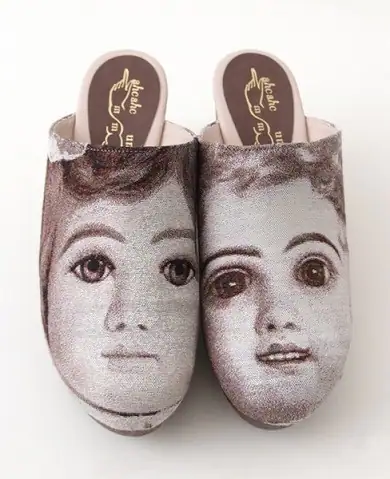
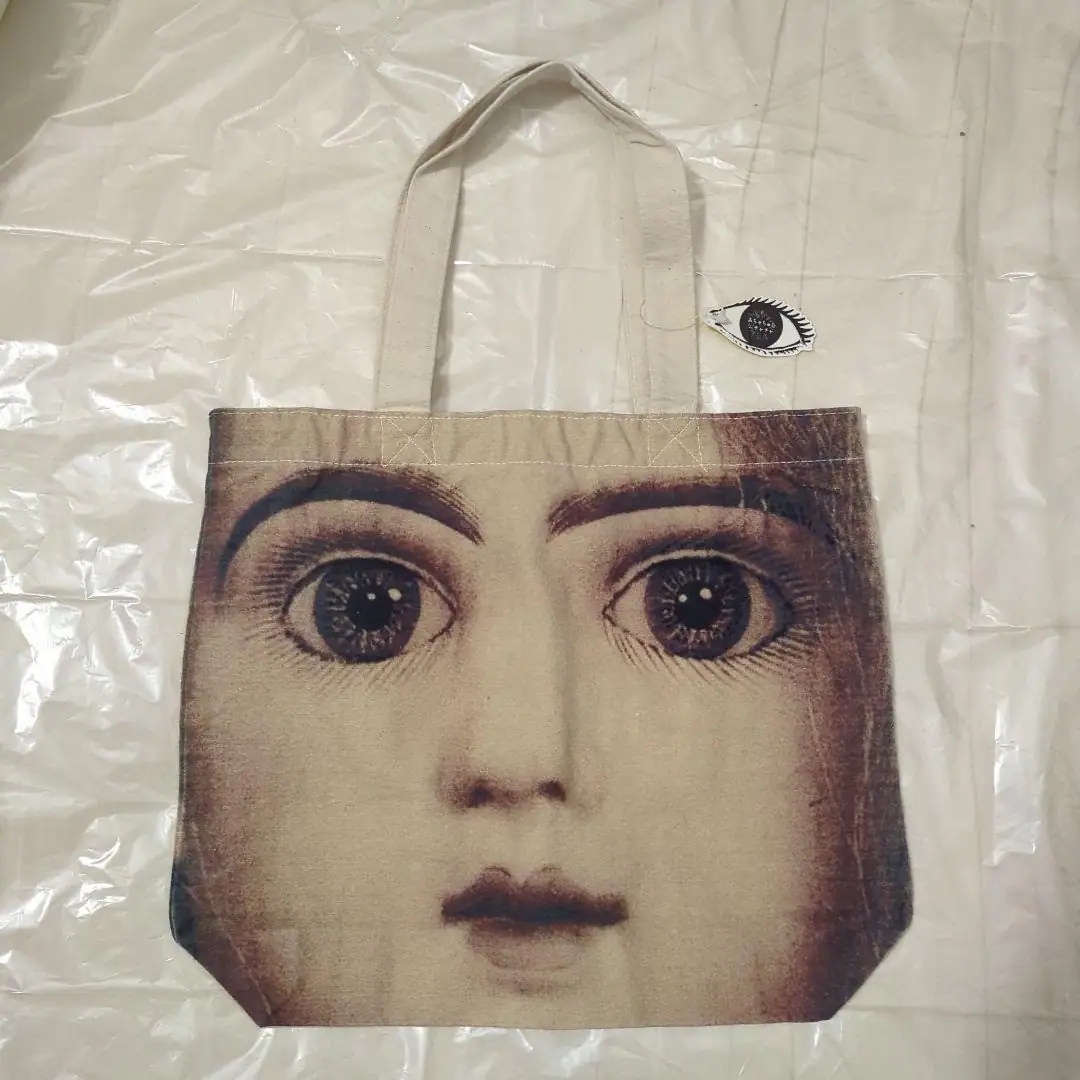
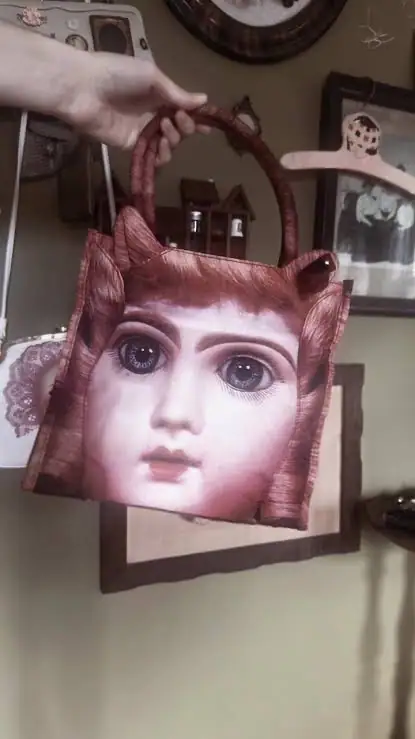
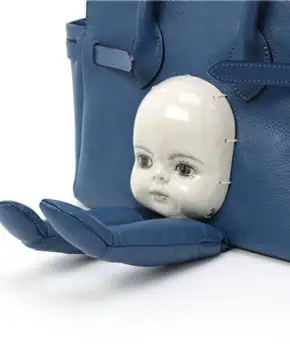
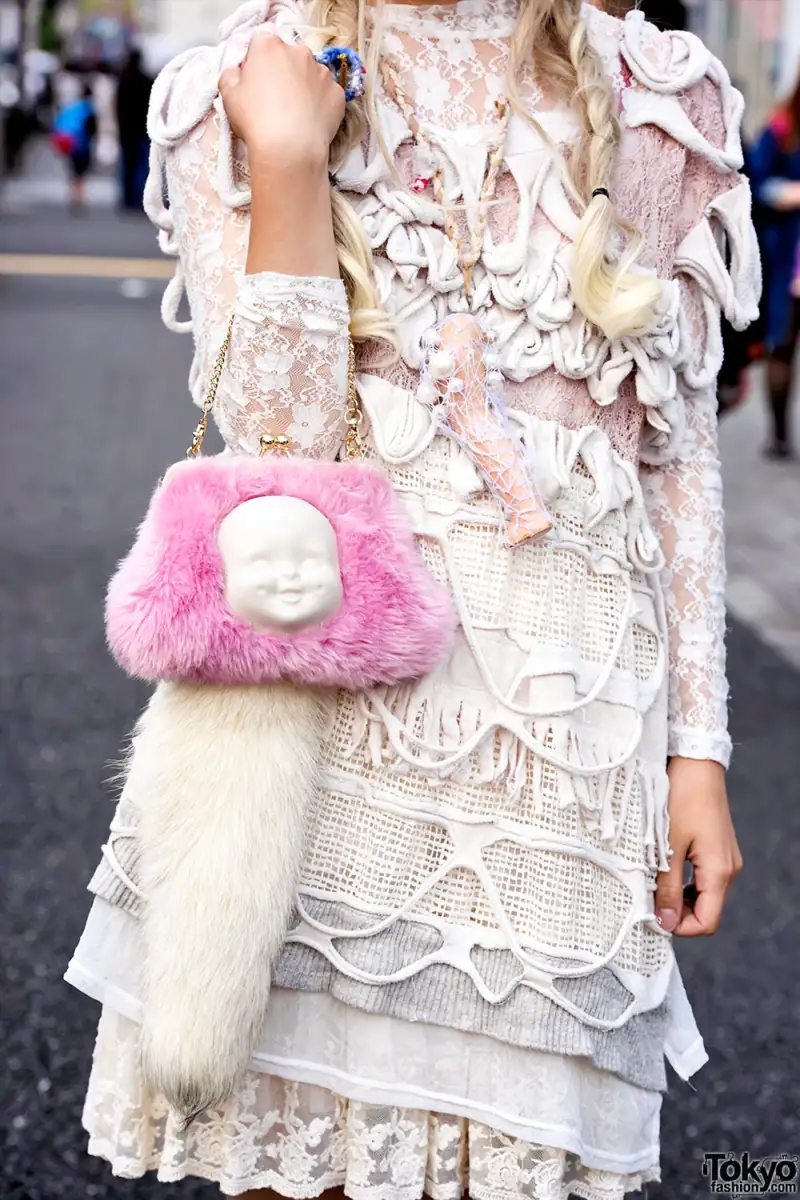
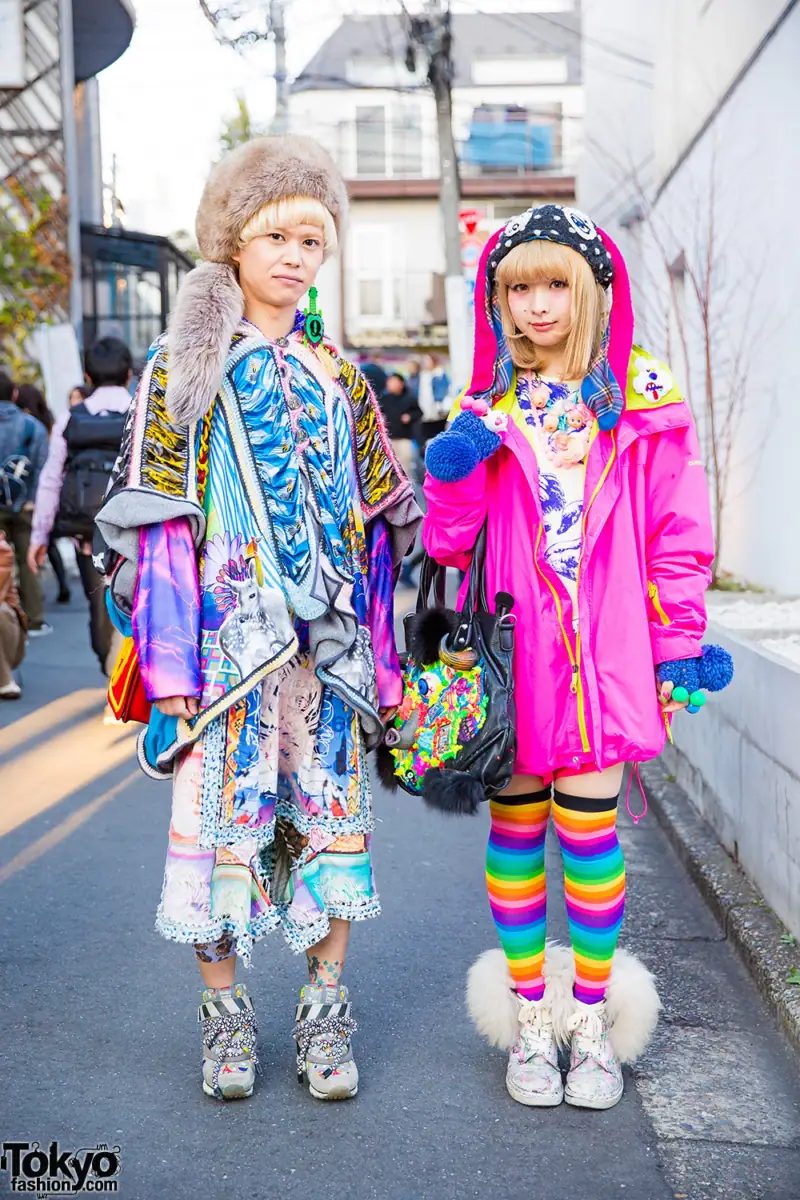
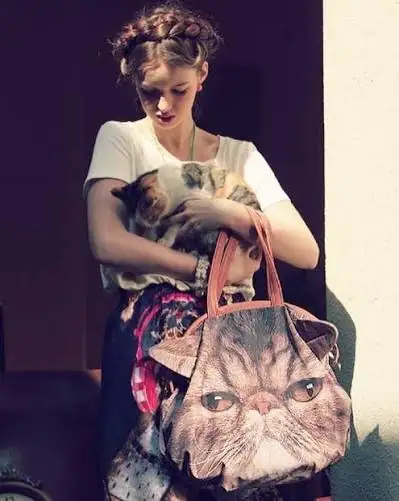
Photos via Pinterest. Third photo by @BotanticalFairie
But the original Ahcahcum Muchacha bags heavily drew from the “creepy-cute” aesthetic in Japanese culture, with a more feminine, refined edge. The most popular styles were the cat and rabbit depictions. With lackadaisical expressions, their lifeless eyes and somber gazes were hauntingly sweet in distinctly two-dimensional forms. I think that’s part of what made Ahcahcum Muchacha’s bags so good: they weren’t trying to be anything other than what they were. They were flat, precious in a non-performative way in their still, awkward disposition.
At the time, the Internet Awesomesauce aesthetic was trending. Think: cats with lasers shooting out of their eyes on men’s black t-shirts, or kittens riding on pizzas or taco shells in outer space. The look originated from the era of early Photoshop parodies, with “random” humor (think “lolcat”) and retro arcade graphics that were trending at the time. Ahcahcum Muchacha’s cats felt like the laser cat trend recreated through the female gaze. The look could even be seen in a higher-end form in fashion, done by Christopher Kane via galaxy and nebula dresses, or even Givenchy’s Rottweiler and Bambi motifs. In 2014, The Guardian even ran the article: “Is Laser Cat the digital art sensation of 2014 – or a joke?” Not too long after that, in 2016, Jonathan Anderson did a series of cat necklaces at Loewe, followed by Chanel’s cat emoji jewelry from the Karl Lagerfeld era. 2016 was a very good year for cats in fashion.
But before all that, we had Ahcahcum Muchacha.
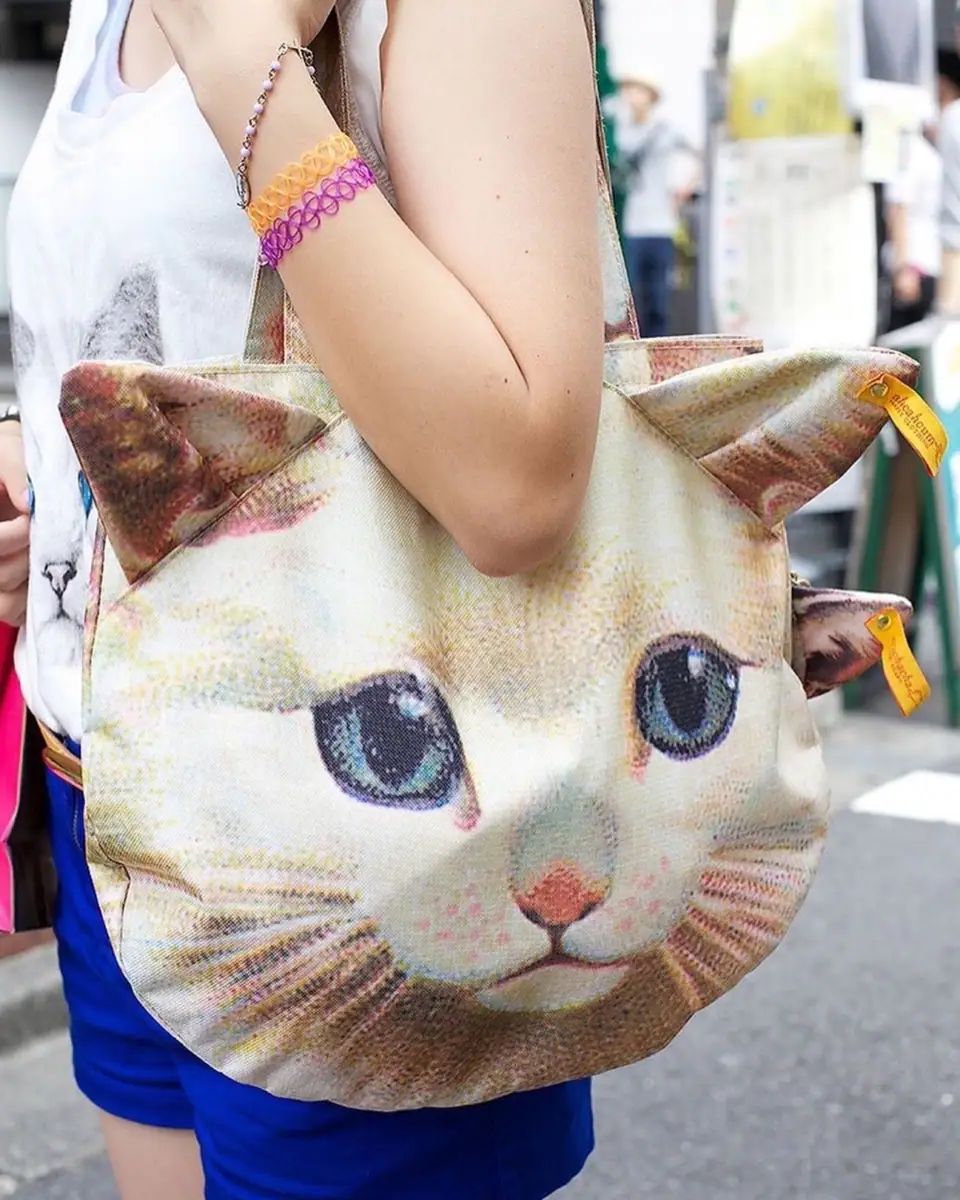
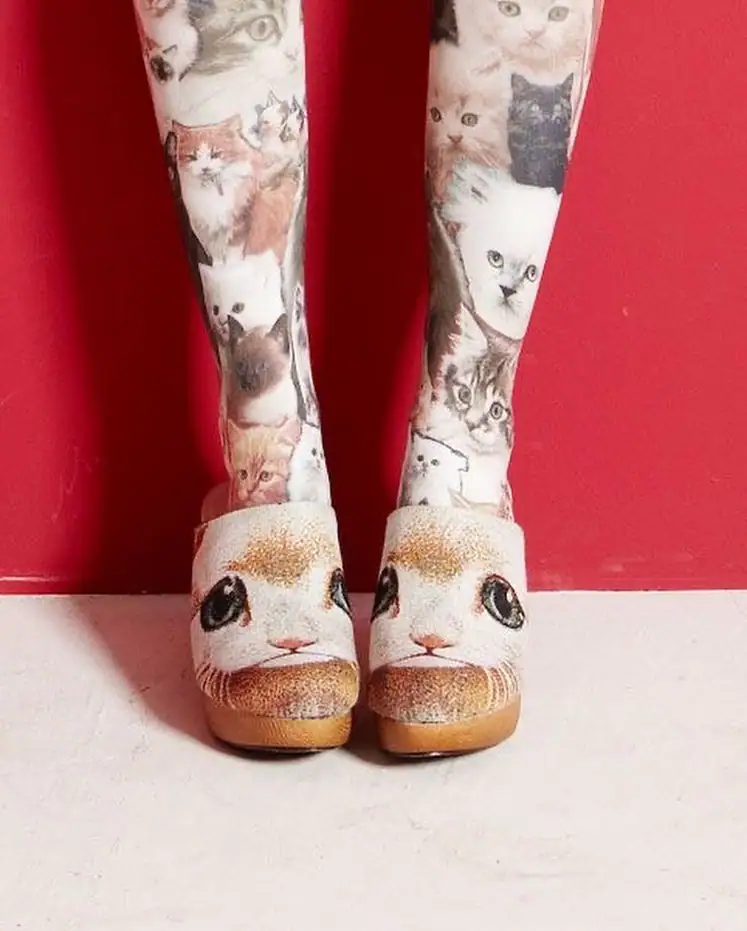
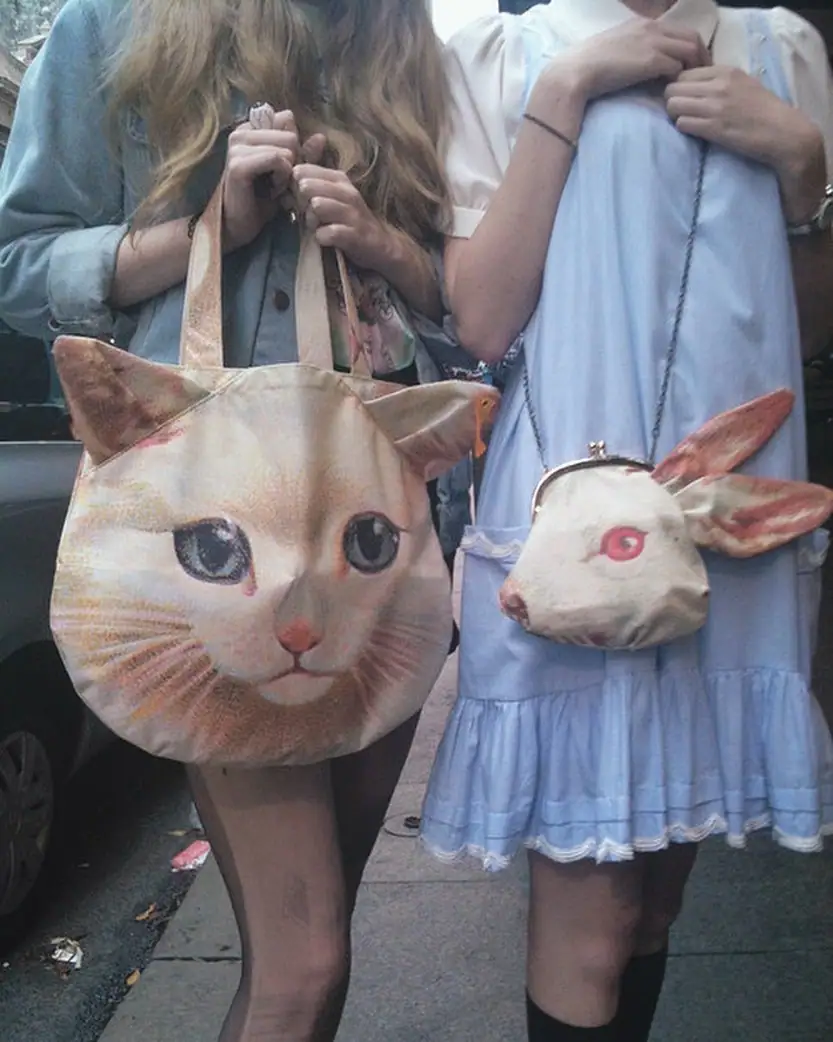
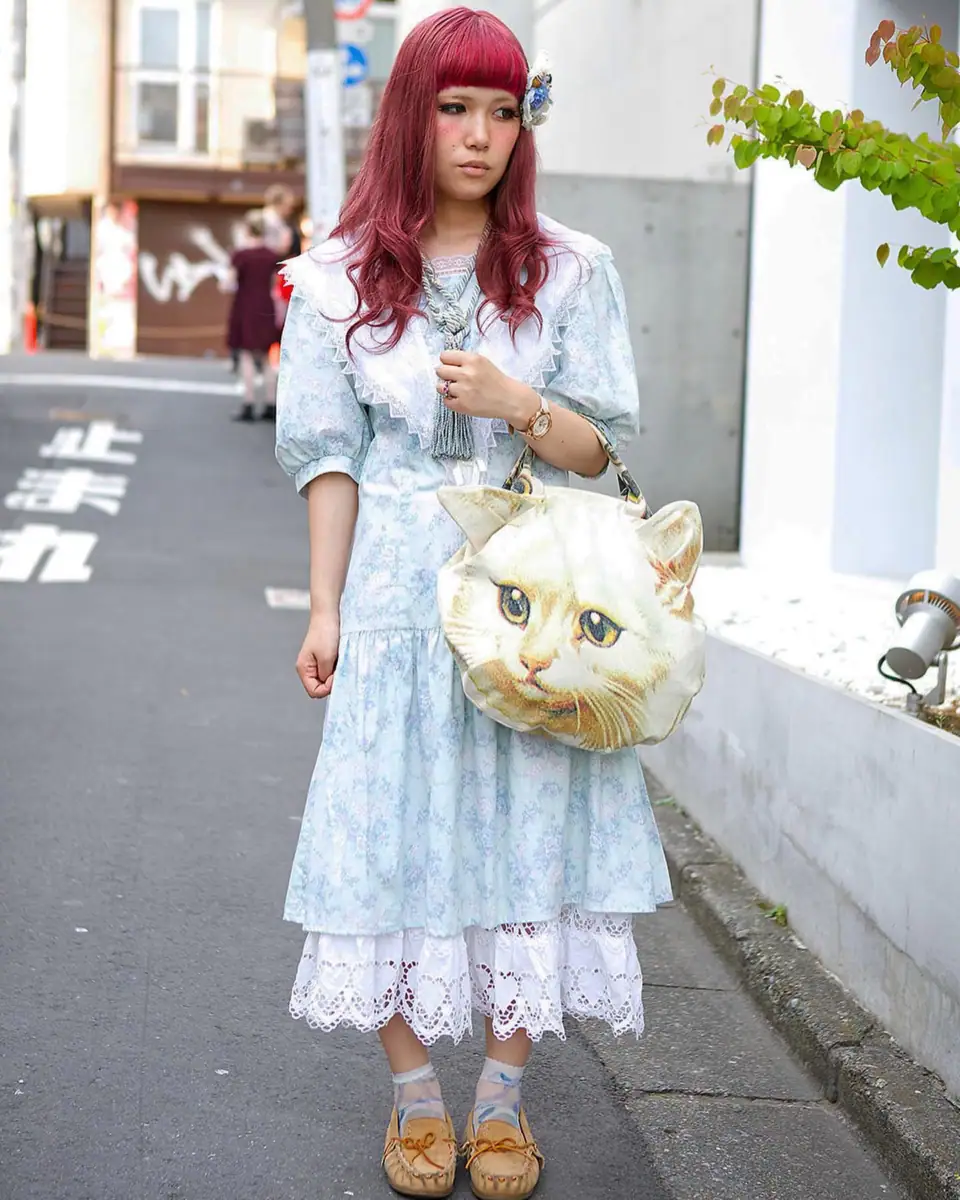
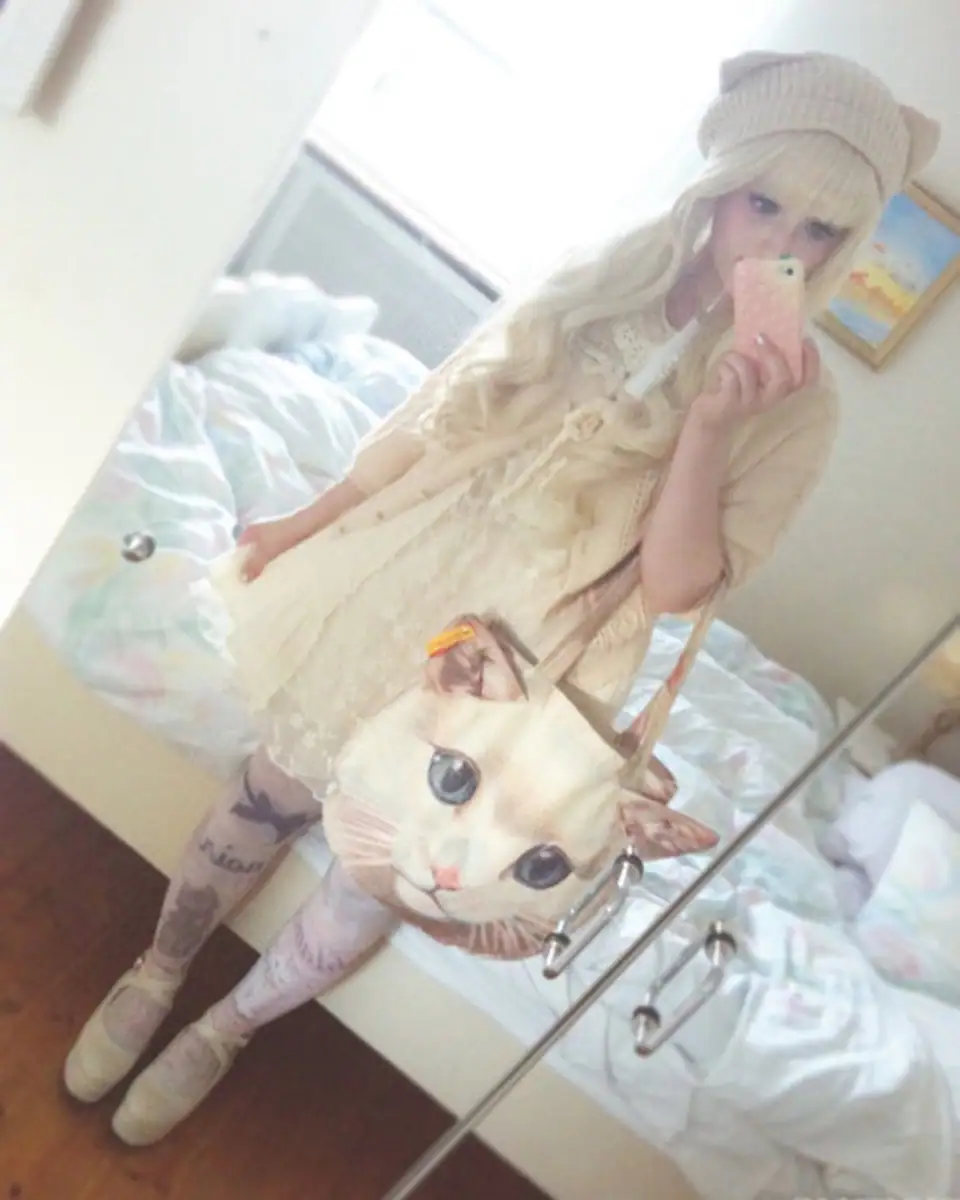
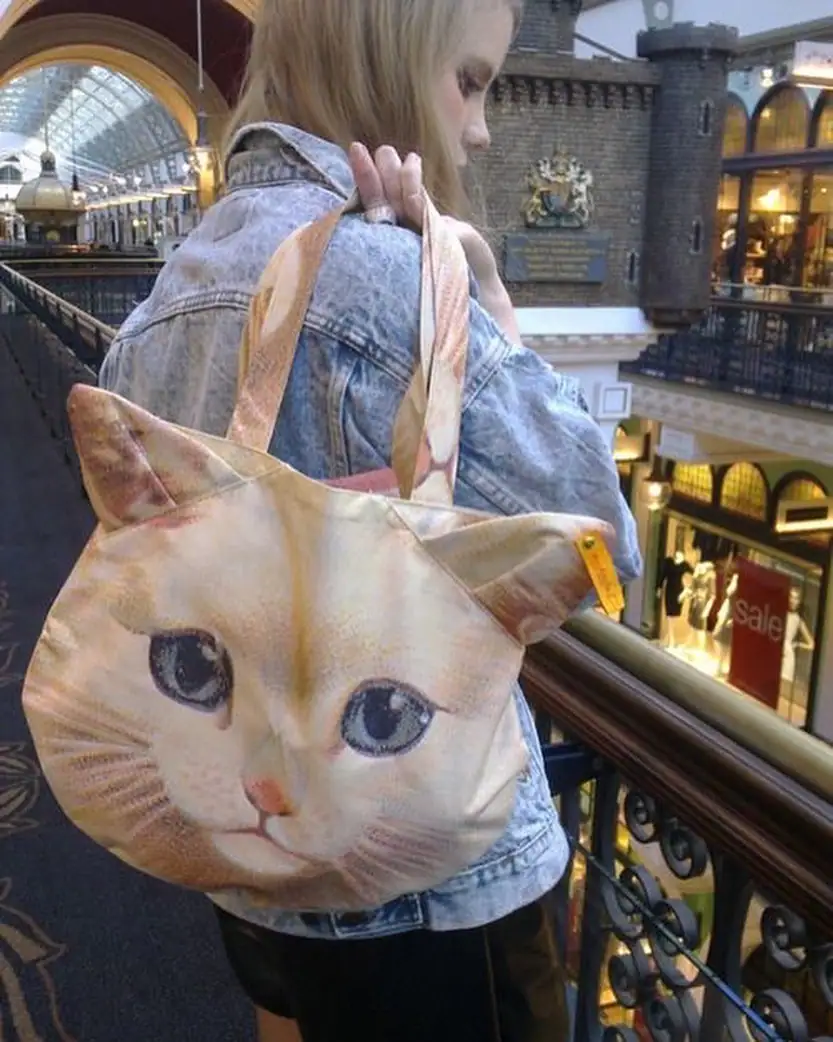
Photos via Pinterest
We use affiliate links where possible, which means we may get a small commission from things you buy.
Leave a Comment