
An inside look at the latest exhibition at the Metropolitan Museum’s Costume Institute: Costume Art.
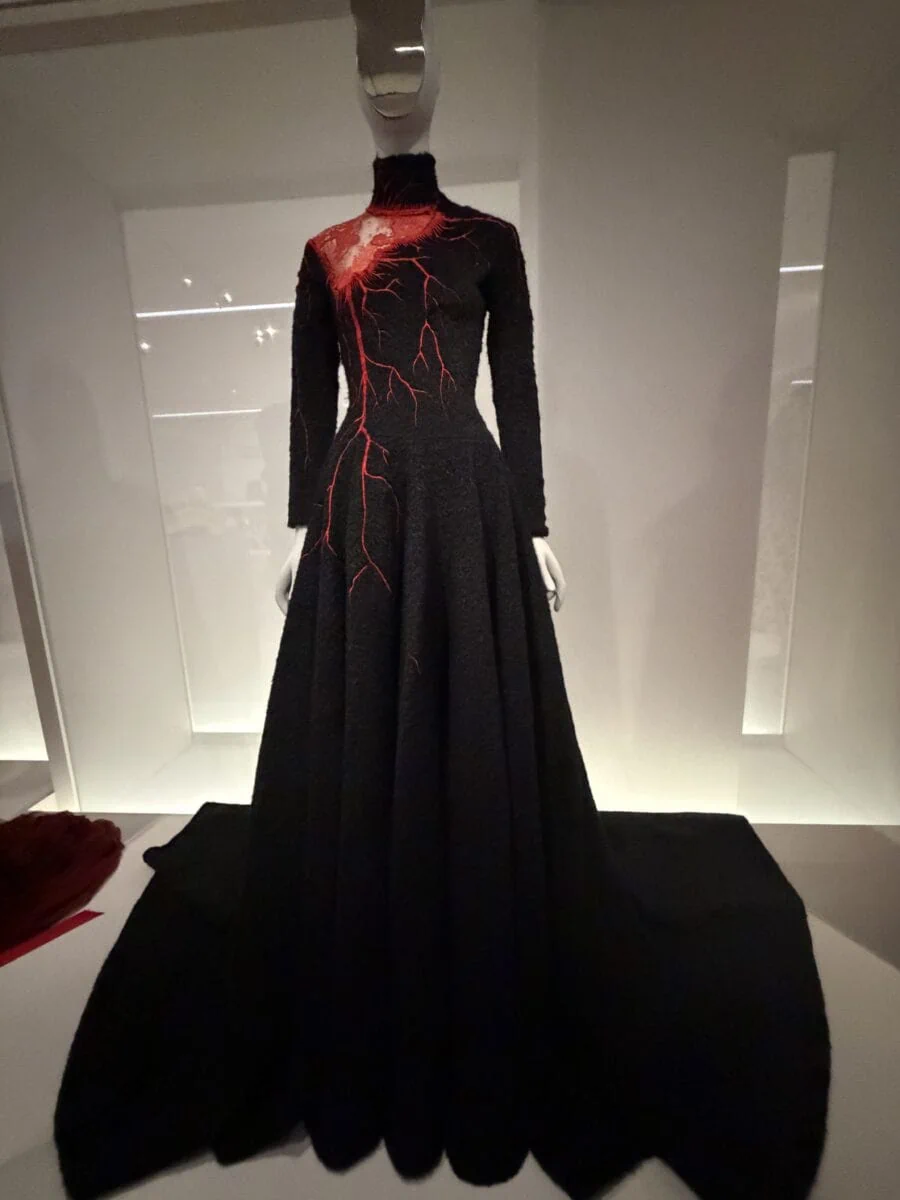
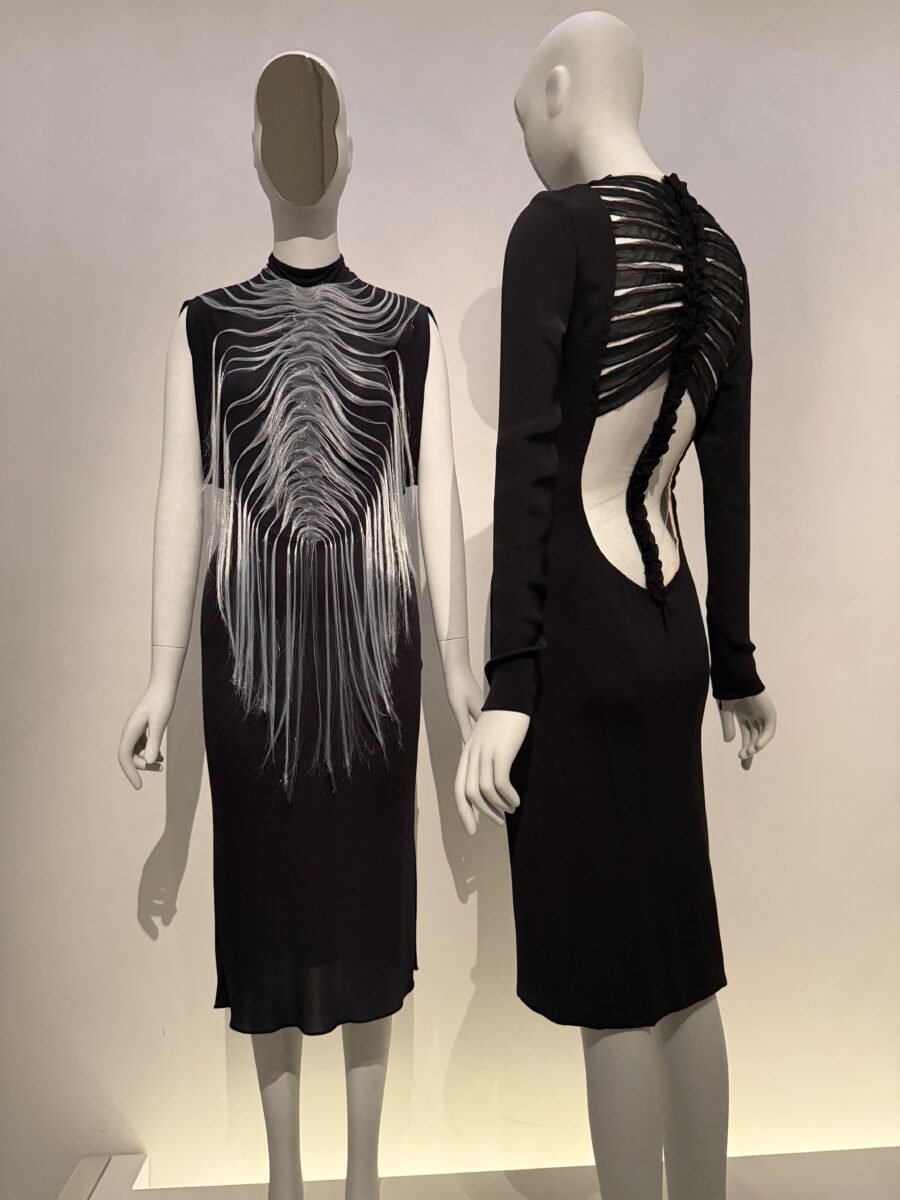
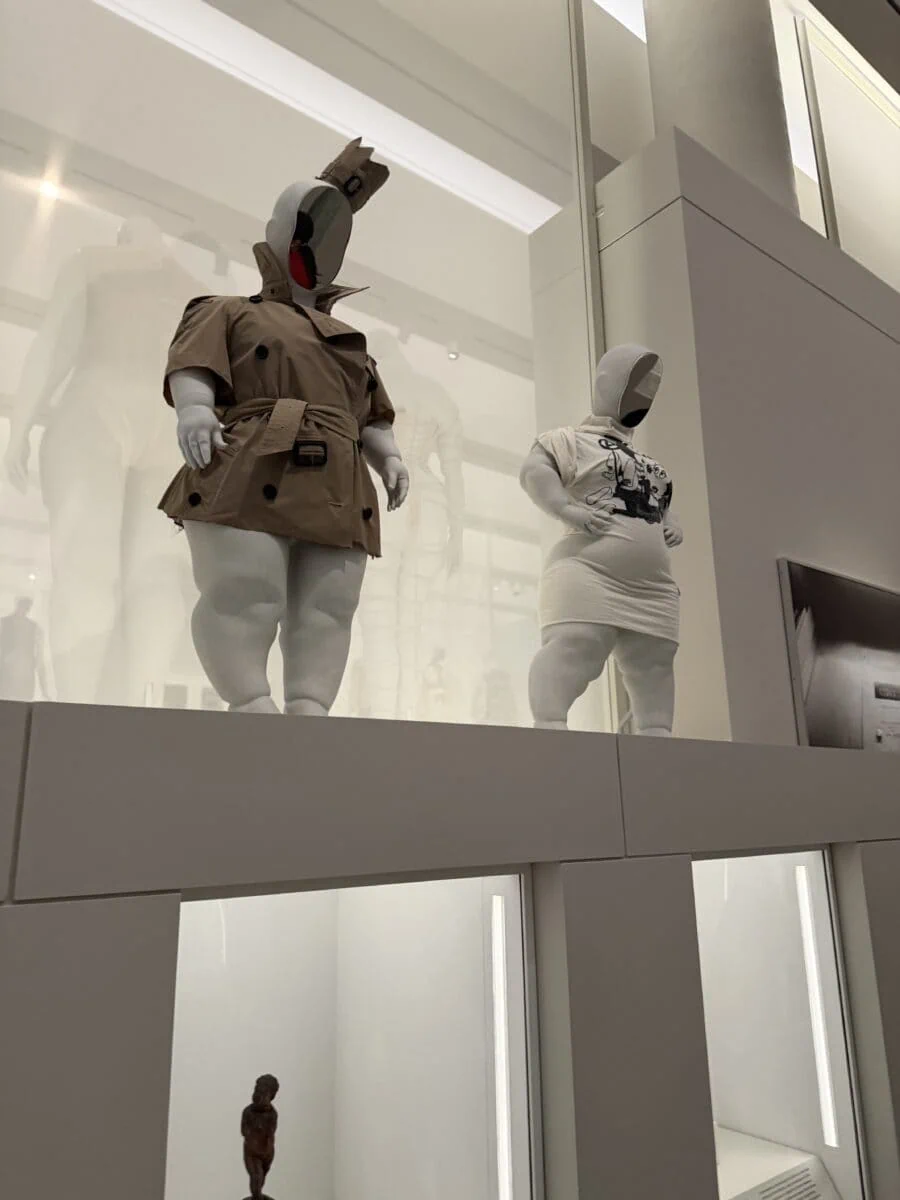
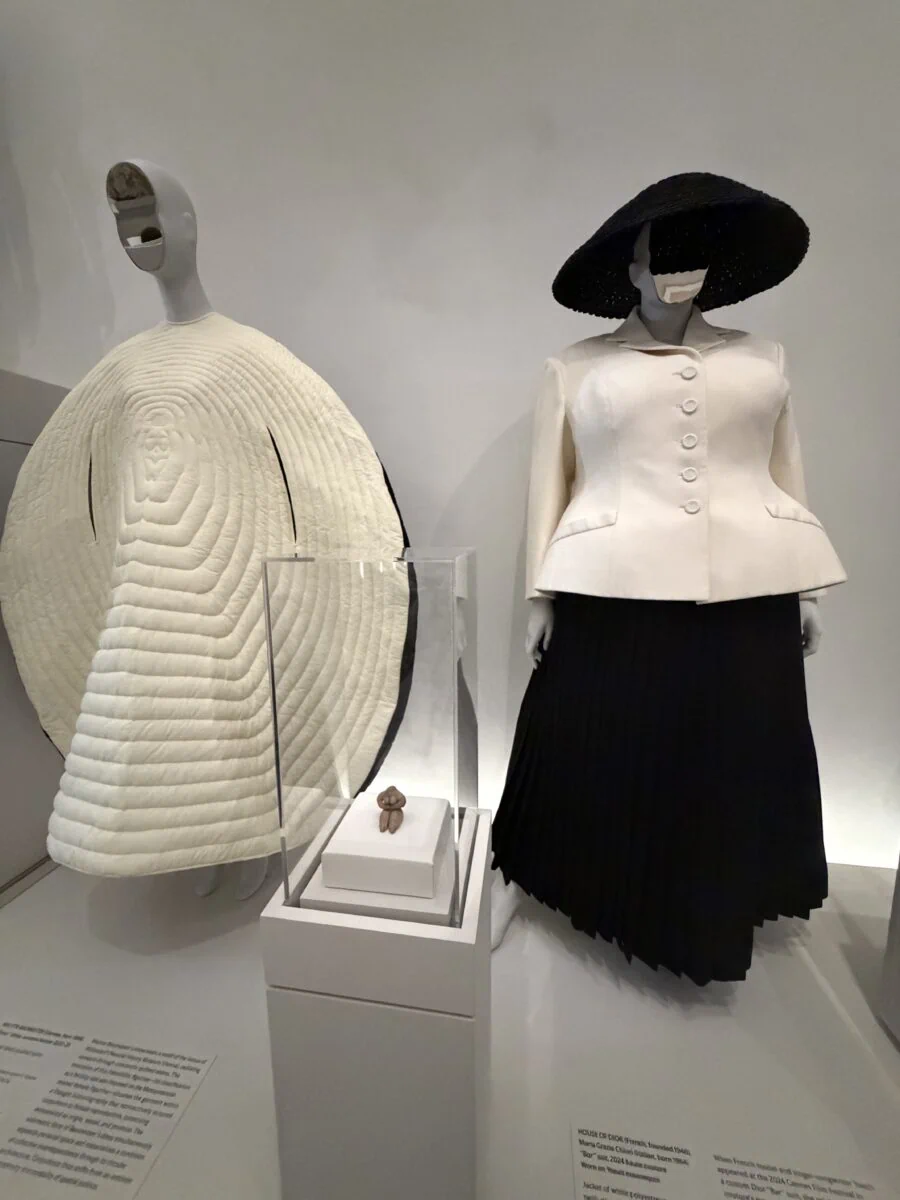
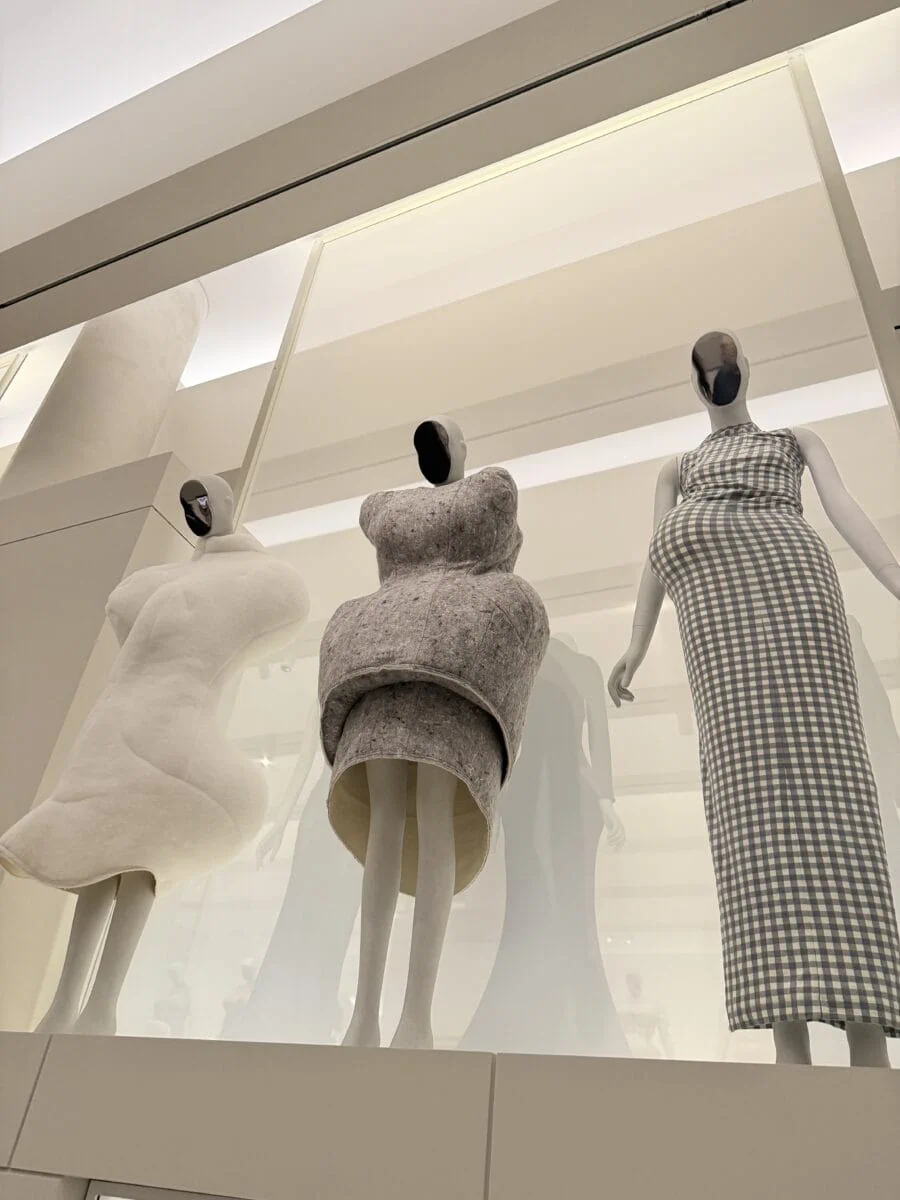
Beyond all the archival Jean Paul Gaultier, spellbinding Comme des Garçons and heart-stopping gowns from Olivier Theyskens, if you’re taking a stroll through the new Costume Art exhibition at The Metropolitan Museum of Art, you just might see a little bit of yourself. Both metaphorically and physically! The newest Costume Institute exhibition is all about contextualizing the body in fashion through the decades, juxtaposing its many designer examples with works of art. As such, the show is full of inclusive, diverse mannequins of all shapes, sizes and abilities, ranging from pregnant women to people in wheelchairs and little people, each one replete with a mirrored slab in place of a usual face, courtesy of the sculptor Samar Hejazi.
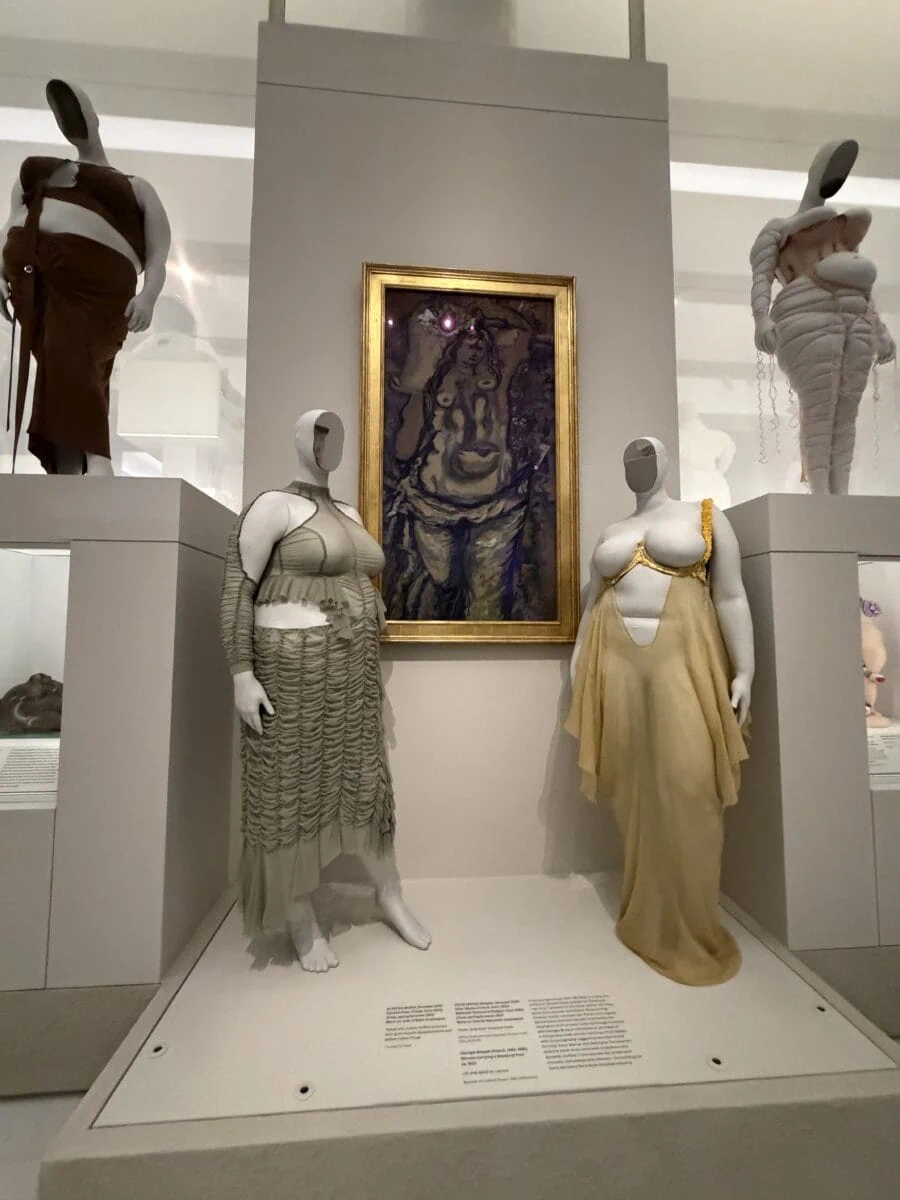
The new Costume Art exhibit feels like one of the most expansive, conceptual and vast shows that the Costume Institute has hosted since the pandemic. That’s partly because it inhabits a brand new space inside the museum: the new, permanent Condé M. Nast Galleries. The new nearly 12,000-square-foot space on the first floor replaces the former Costume Institute show space in the basement, proudly repositioning fashion alongside other artistic mediums in the museum. “For a long time, fashion has been positioned at the margins of art, as decorative, as representational and as supplementary,” head curator Andrew Bolton said during the press preview. “Costume art rejects that position. It affirms fashion as a curative practice in its own right, one that exists in dialogue of art, moving between image and material, between idea and experience, a one’s aesthetic and embodied, conceptual and inhabited.”
There is plenty to see, all touching on political, cultural and timely topics, neatly wrapped up a bow that unites even the most fashion averse with the cult diehards. It’s as if the exhibition says: In the end, we are all human and we all must wear clothes, but what message do the things we wear send? Fashion is art may be the most simple interpretation of the exhibition. But the bigger idea is how the clothing we wear is constantly shaping, representing, reinventing or even manipulating our bodies.
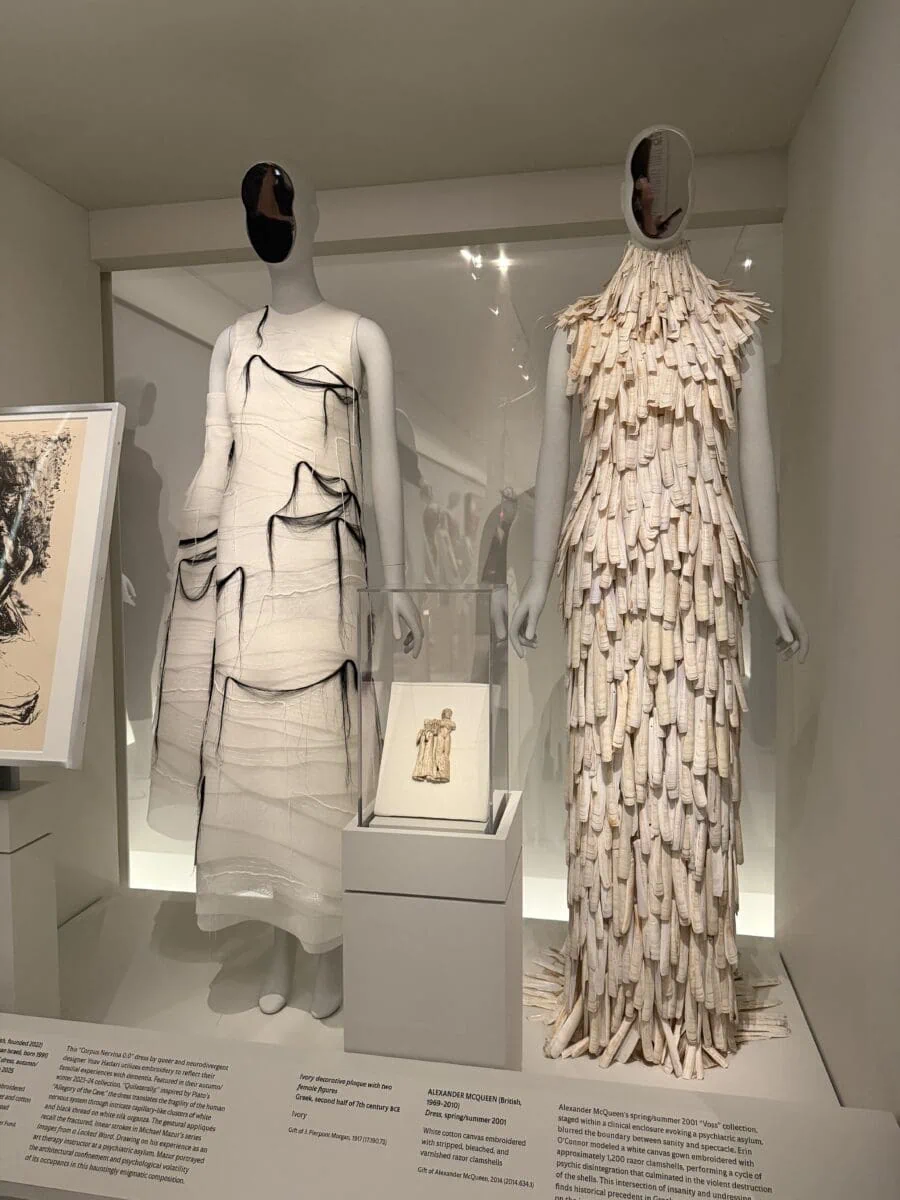
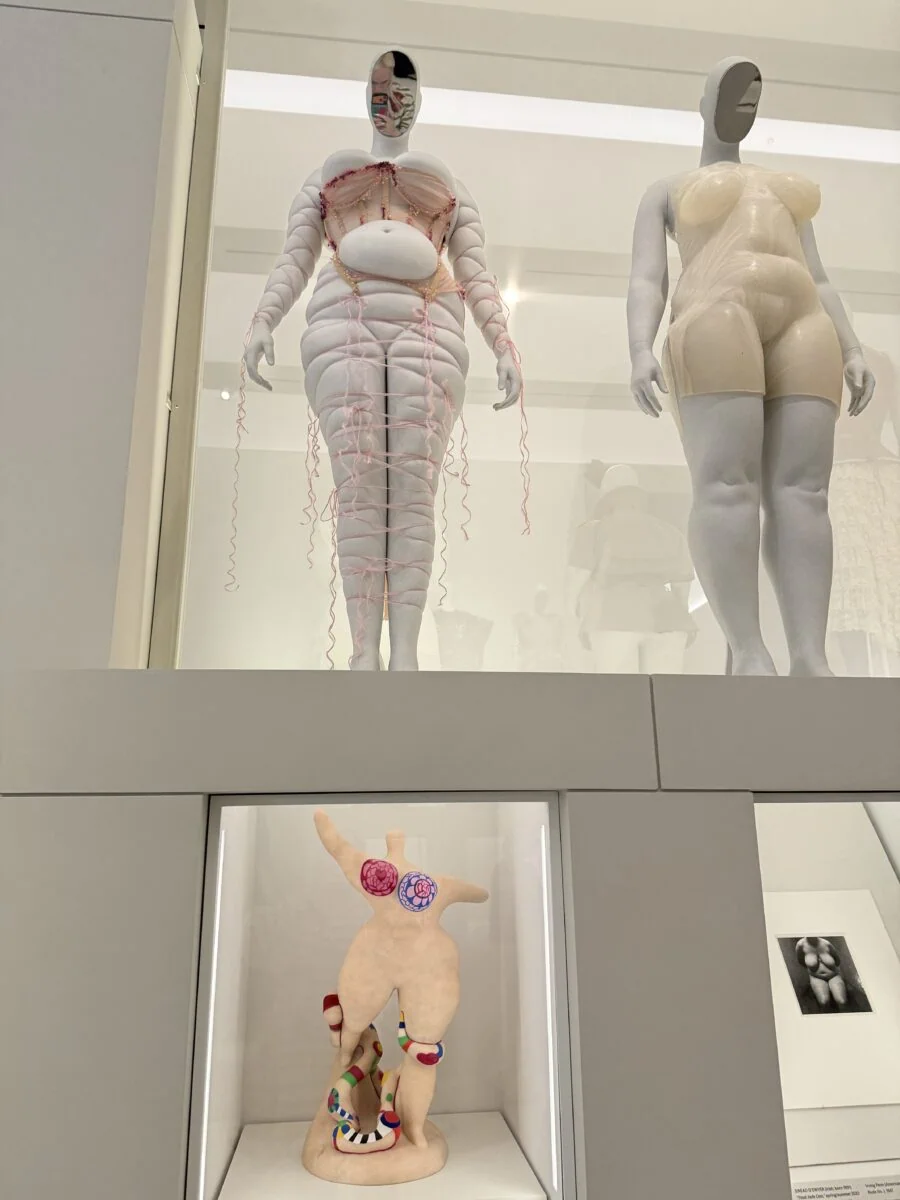
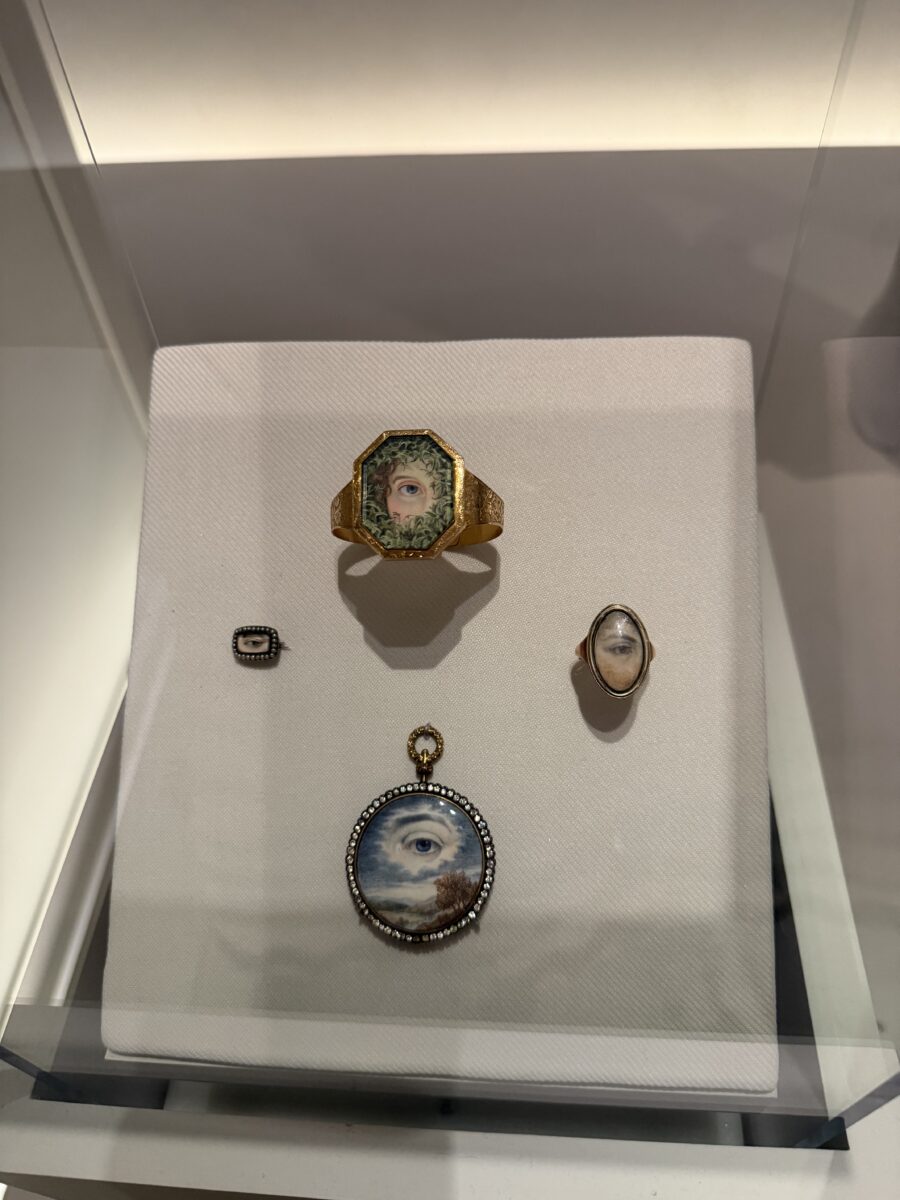
Divided up into thematic sections such as “Diversity in Bodily Being,” or “Bodily Being in Its Universality,” pieces of the show spoke specifically to topics like “Mortal Body,” which included antique Victorian mourning jewelry alongside Alexander McQueen’s Fall/Winter 1998 ‘Joan’ coat, embellished with a print of a 1845 daguerreotype from by Carl Gustav Oehm. “Corpulent Body” featured bulge-ifying looks from body-morphing artist Michaela Stark, well-known for her surreal, twisted corsets that create intentional skin lumps, which in turn, transform the body into an art-like sculpture. Stark’s mannequins were scanned from her own body, and many others were scanned from real life people in the industry. We unfortunately don’t regularly see these diverse body types on the runway or in the front row (unless it’s trending for the season) so this was a very strong and important signal on display at what’s considered fashion’s biggest museum exhibition of the year.
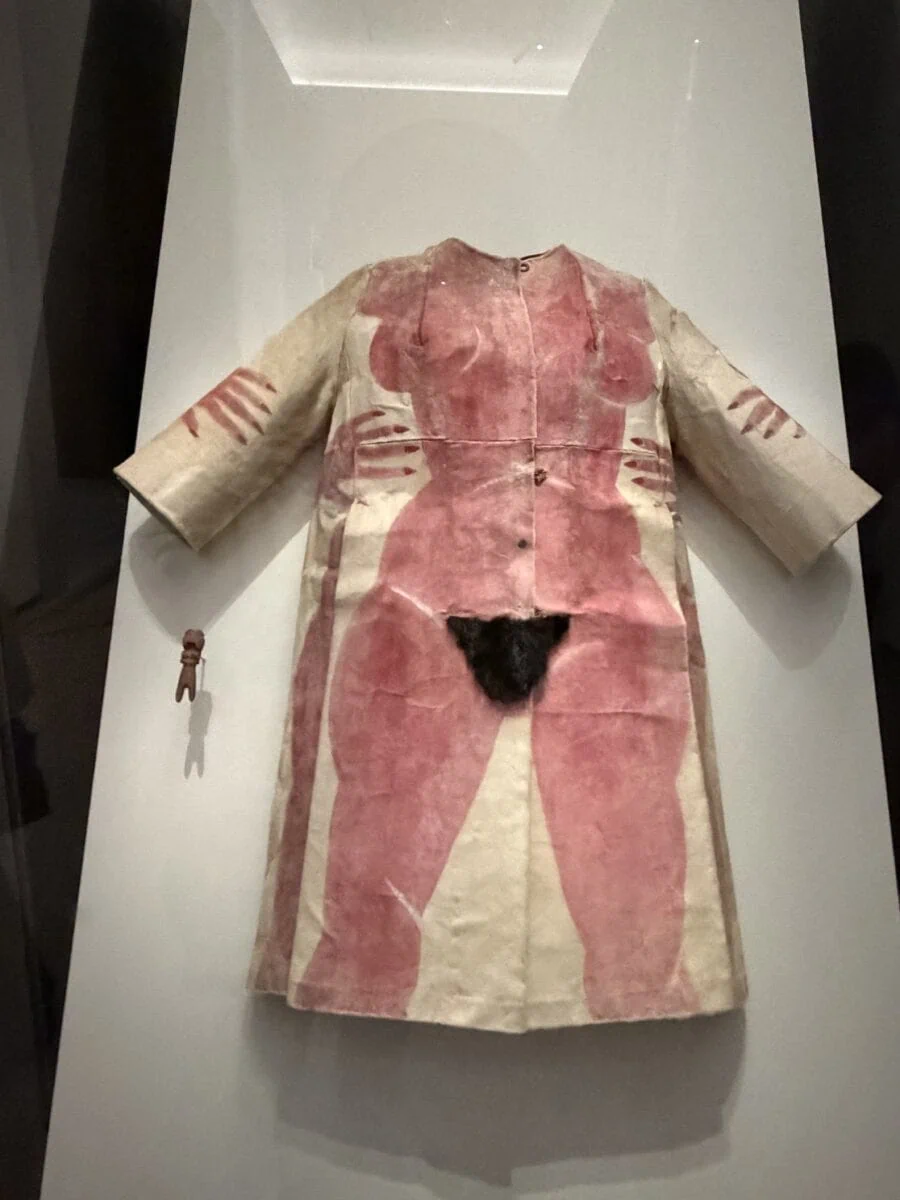
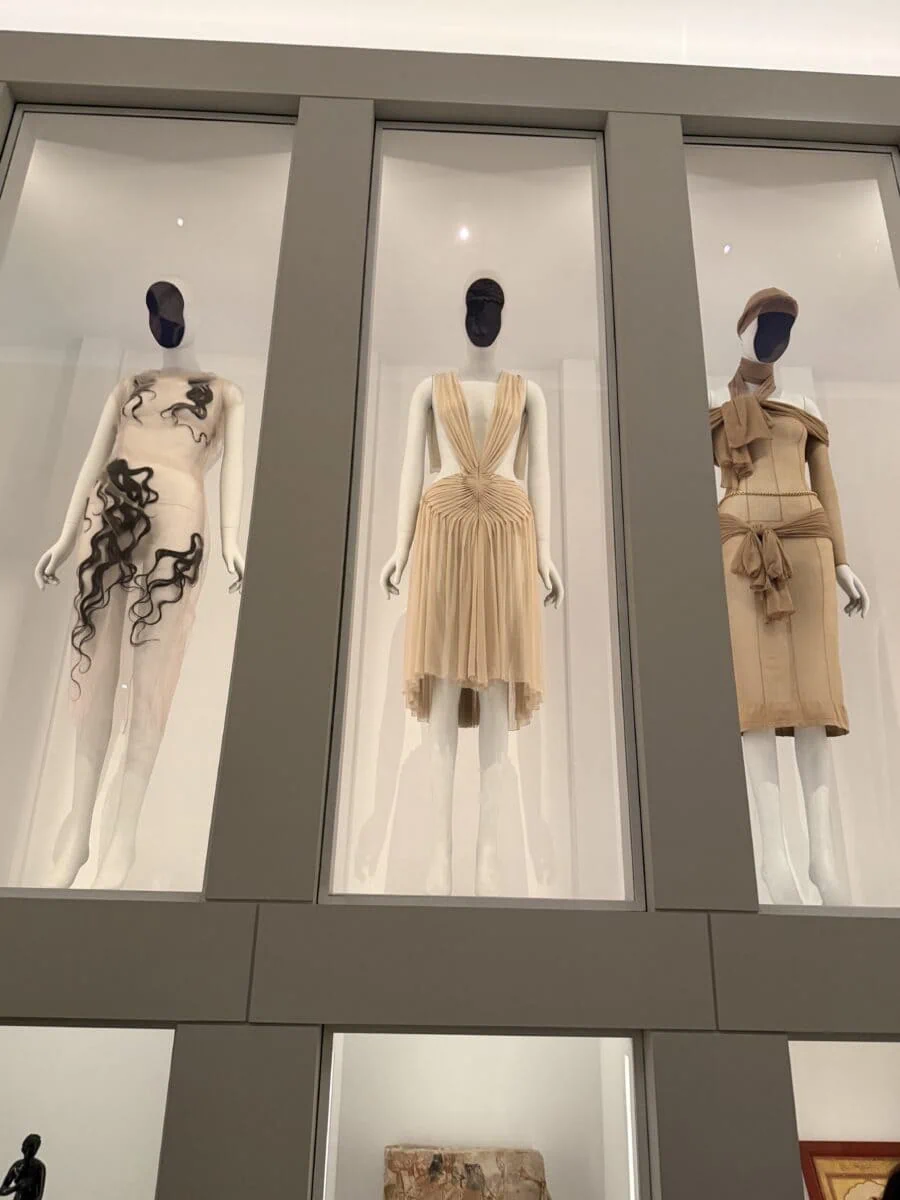
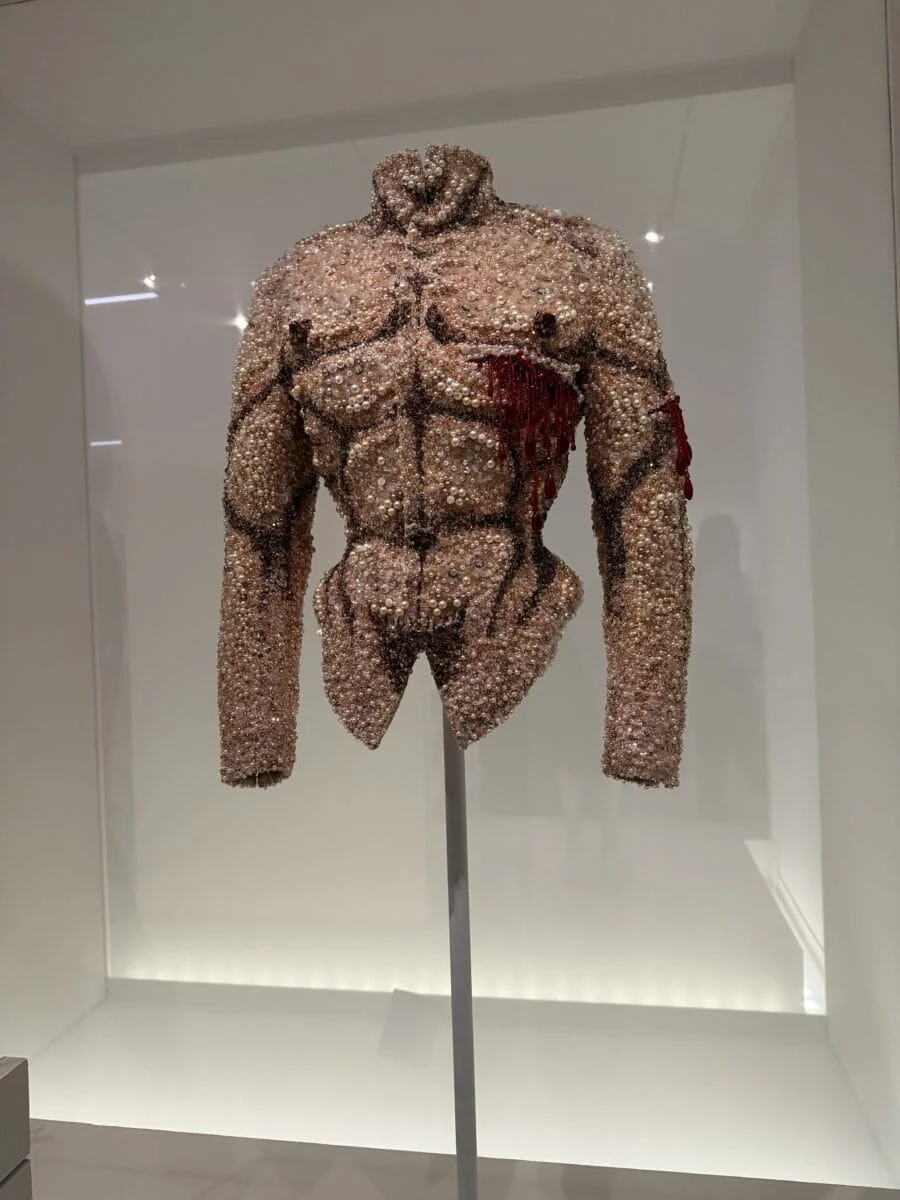
The show opened up with a heavy focus on Rudi Gernreich’s monokini, tackling the topic of selective exposure, shown alongside a female figurine from 1500 – 1100 BCE Iran. The naked dress, one of fashion’s forever favorite subjects, was fully present in so many forms, from the more ubiquitous everyday silhouettes to one Victorian hairwork-covered gown by Ashi Studios. The most surprising looks were the rarely seen examples that combined fashion, art and the body in weird, raw, and real ways. Like Jacques Kaplan’s white calfskin coat, painted by Marisol with an almost-bloody-looking-pink nude female body, accented with a black fur mink merkin. A little display of extremely rare antique lover’s eye jewelry proved that it’s important not to overlook the works of art as statements of their own.
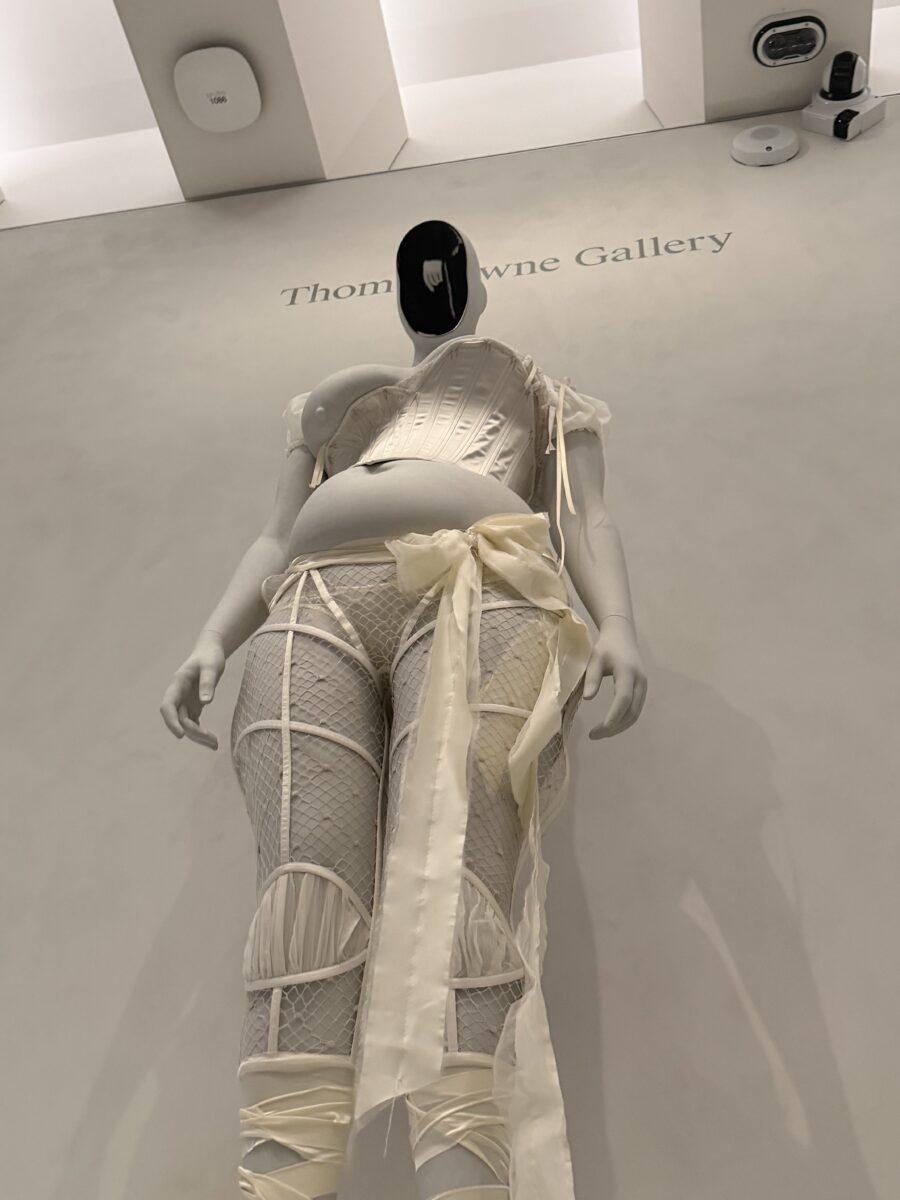
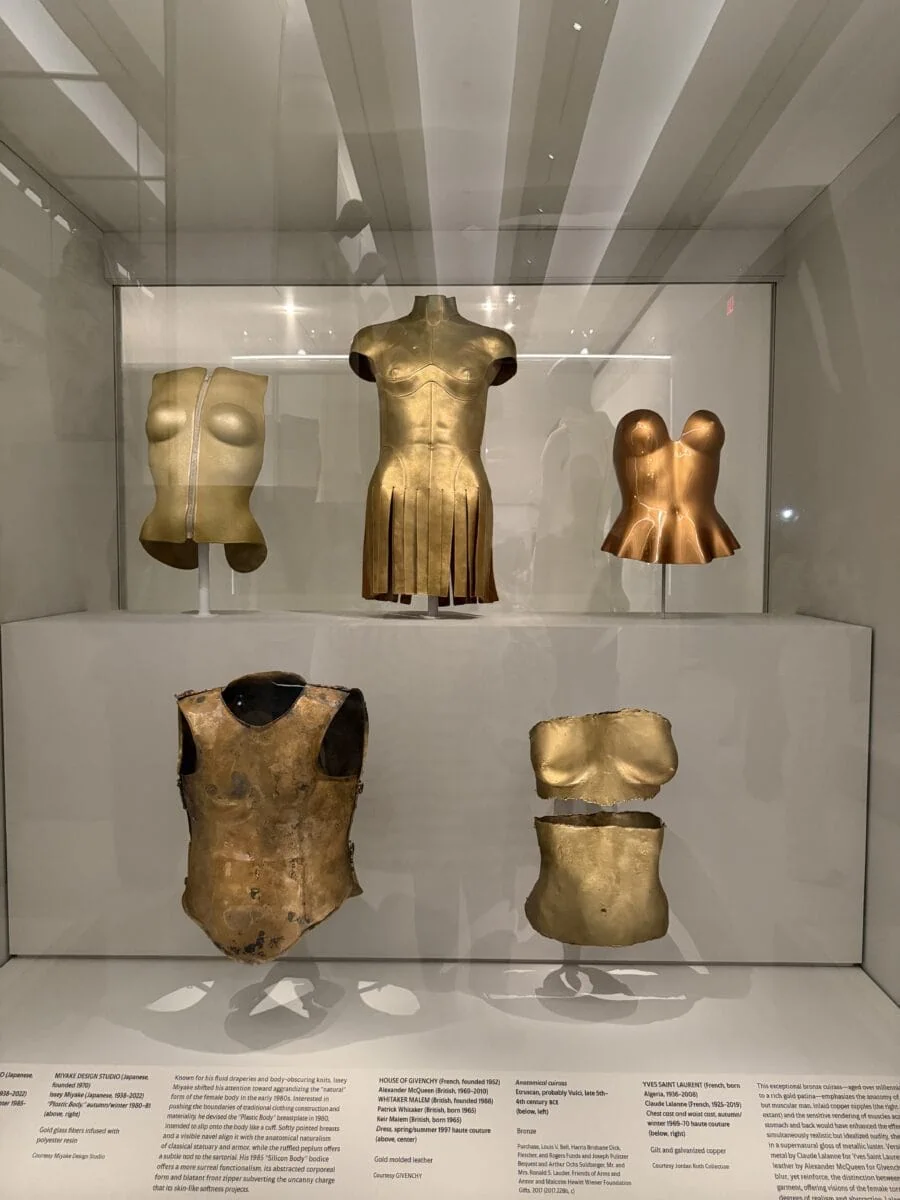
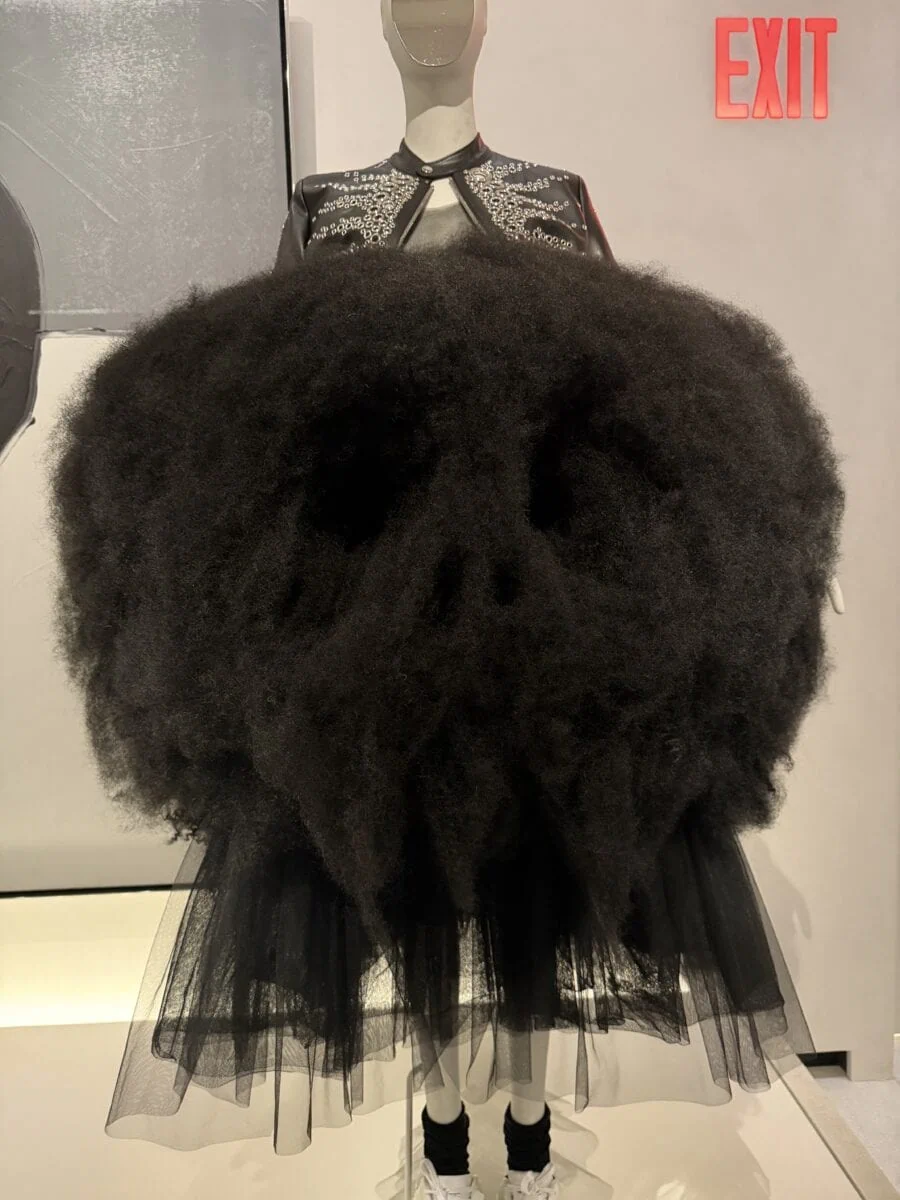
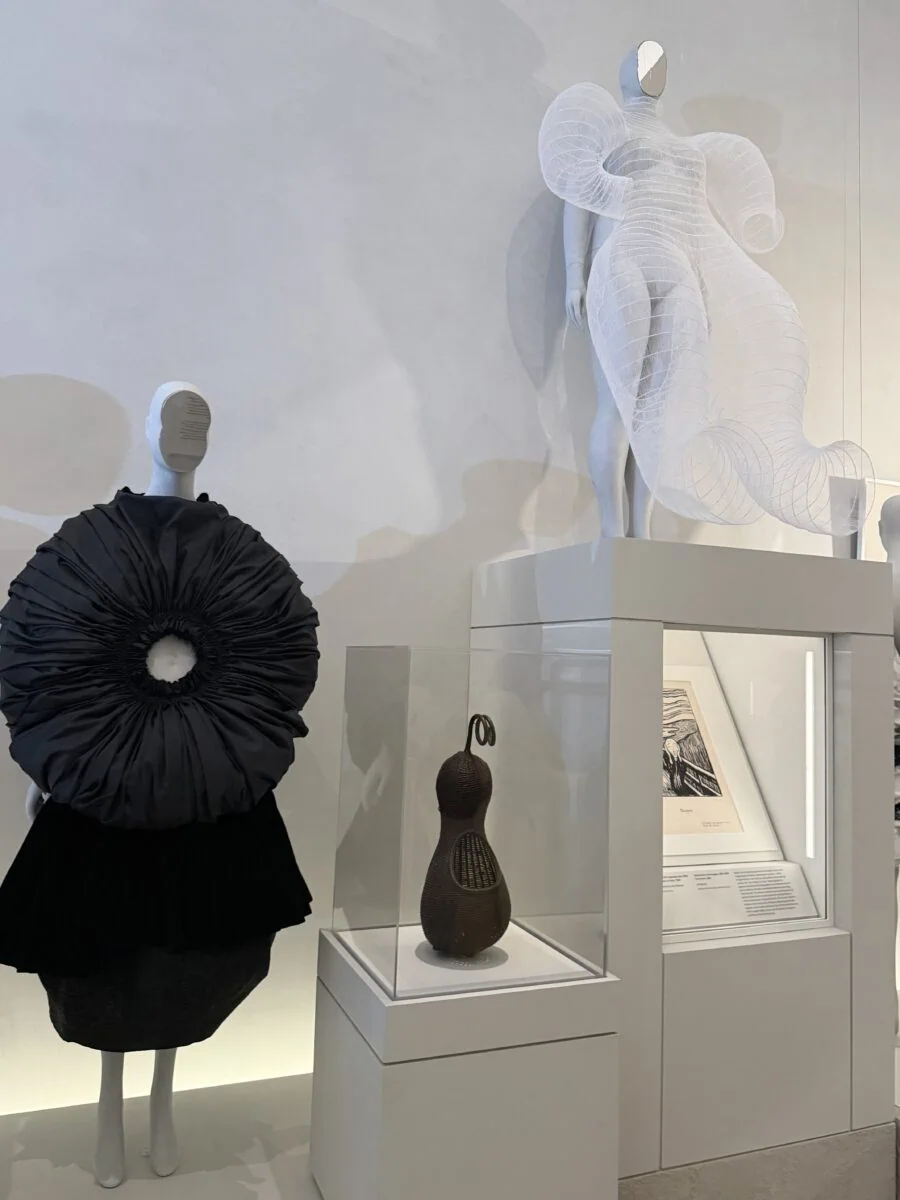
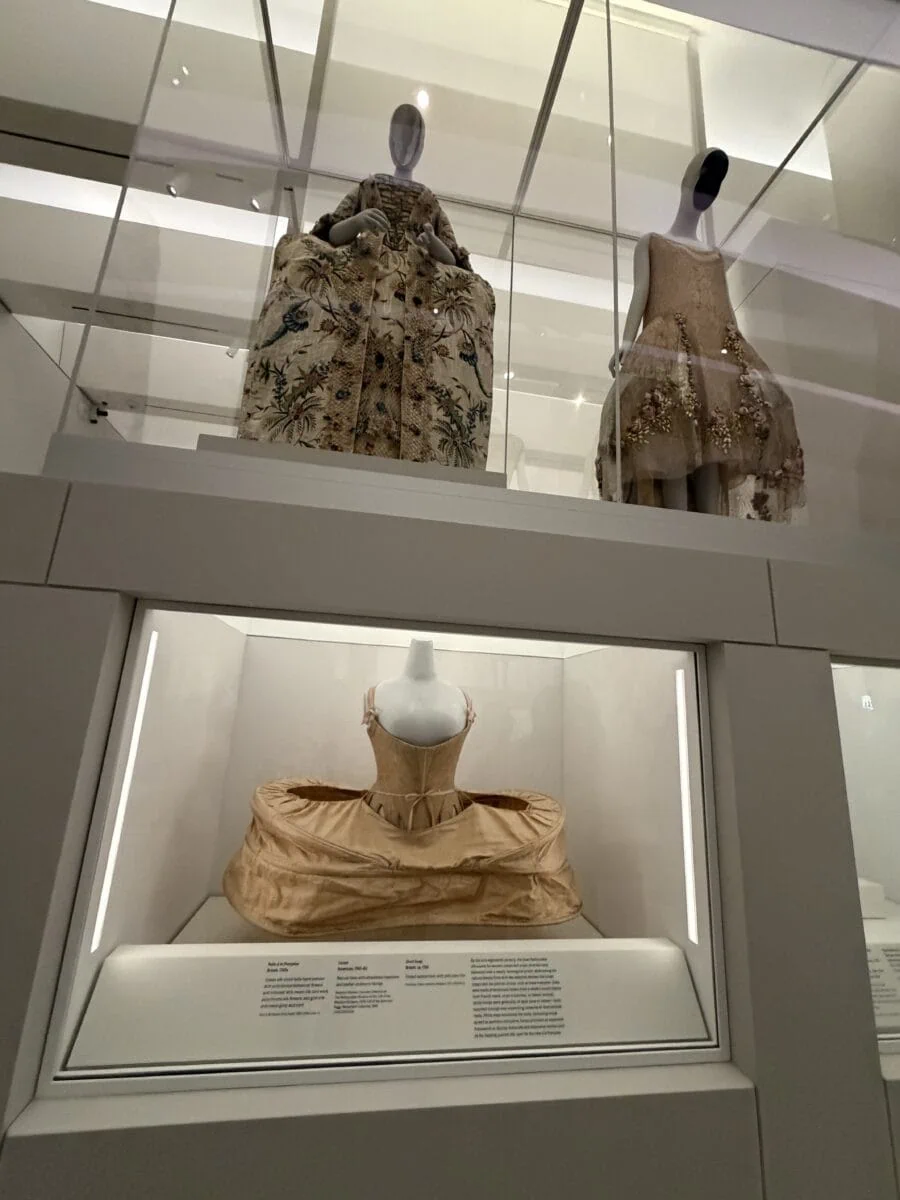
A grouping of five golden busts dating from 4th century BCE to 1970s Yves Saint Laurent by Claude Lalanne and 1980s Issey Miyake showed how the iteration of a bodycon outfit evolved over centuries. Fashion is cyclical, and Costume Art does a great job at showing this, as well as highlighting the range of designers who have changed the way we think about form and silhouette. Bulbous designs from Rei Kawakubo and Kei Ninomiya were an ideal display of designers skillfully shifting silhouette, while Thom Browne’s (who also now has a gallery named after him) hyper-embellished designs showcased the sheer power of shaping form through ornamentation. Elsewhere, Vivienne Westwood’s 1994 padded bustle echoed the 18th century hoop skirts that were displayed directly across the way.
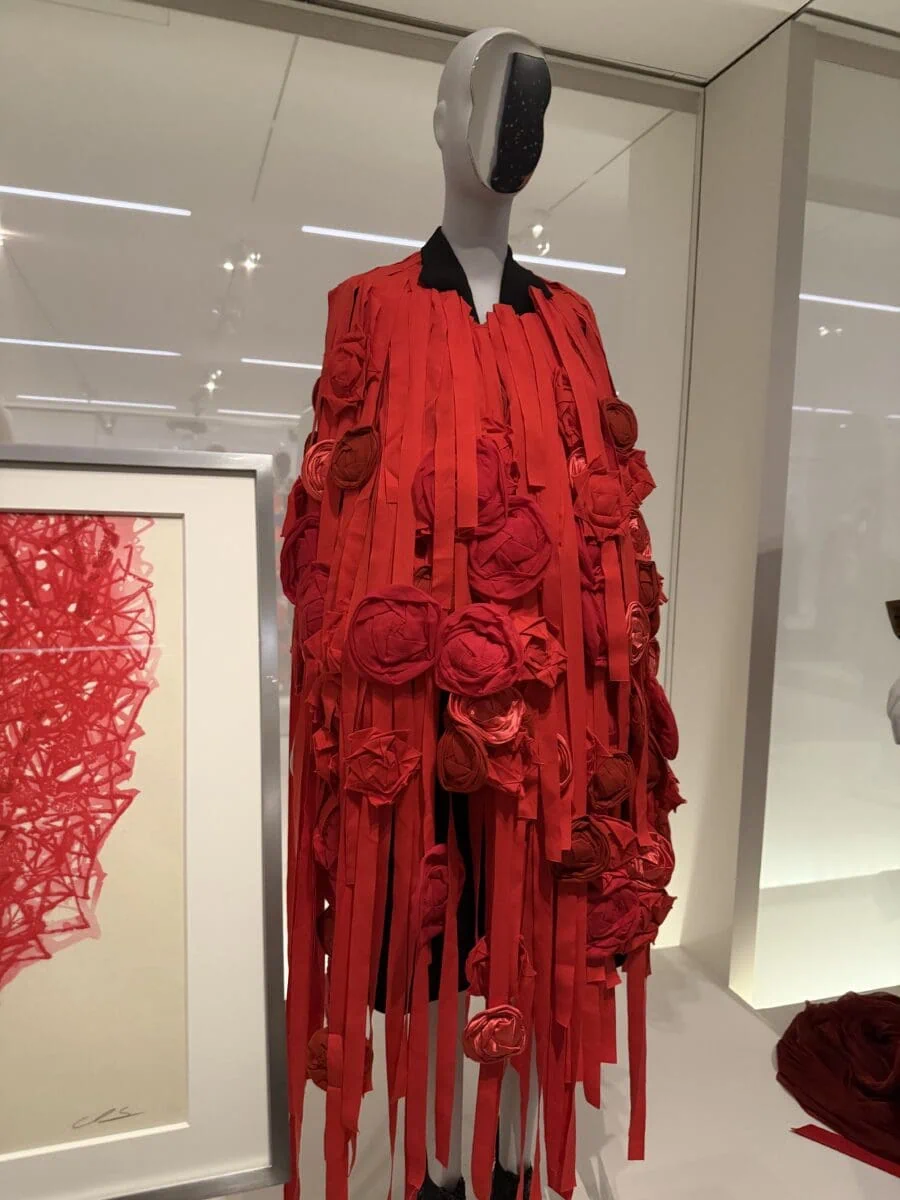
A survey like this wouldn’t be complete without some of the contemporary rising names to know, too. Melitta Baumeister’s padded circular dress, Batsheva’s Hag gown and Ottolinger’s shredded dress were great additions. The greats, like archival McQueen, antique robe de chambre dresses and ornate Yves Saint Laurent showpieces were all there too. “To understand fashion, we must move beyond the static object and consider its life in the world,” added Bolton during the preview. “Its intimacy with the body, its role in shaping subjectivity. In wearing clothes, we don’t seem to be expressing who we are, but becoming who we are. This is what makes fashion different from any other art form. It collapses the boundary between the subject and object.”
One could argue that the body has never been as political as it is now. Our society has also never been more divided as it is today. We all share the basic identity of having a body. Could this be fashion’s most relatable exhibition in recent years?
The Metropolitan Museum’s “Costume Art” exhibition is on view May 10, 2026 – January 10, 2027.

Leave a Comment